
FrenchTechSH Connect · Thursday, November 26, 2026 · 333 Xianxia Road, Changning, Shanghai
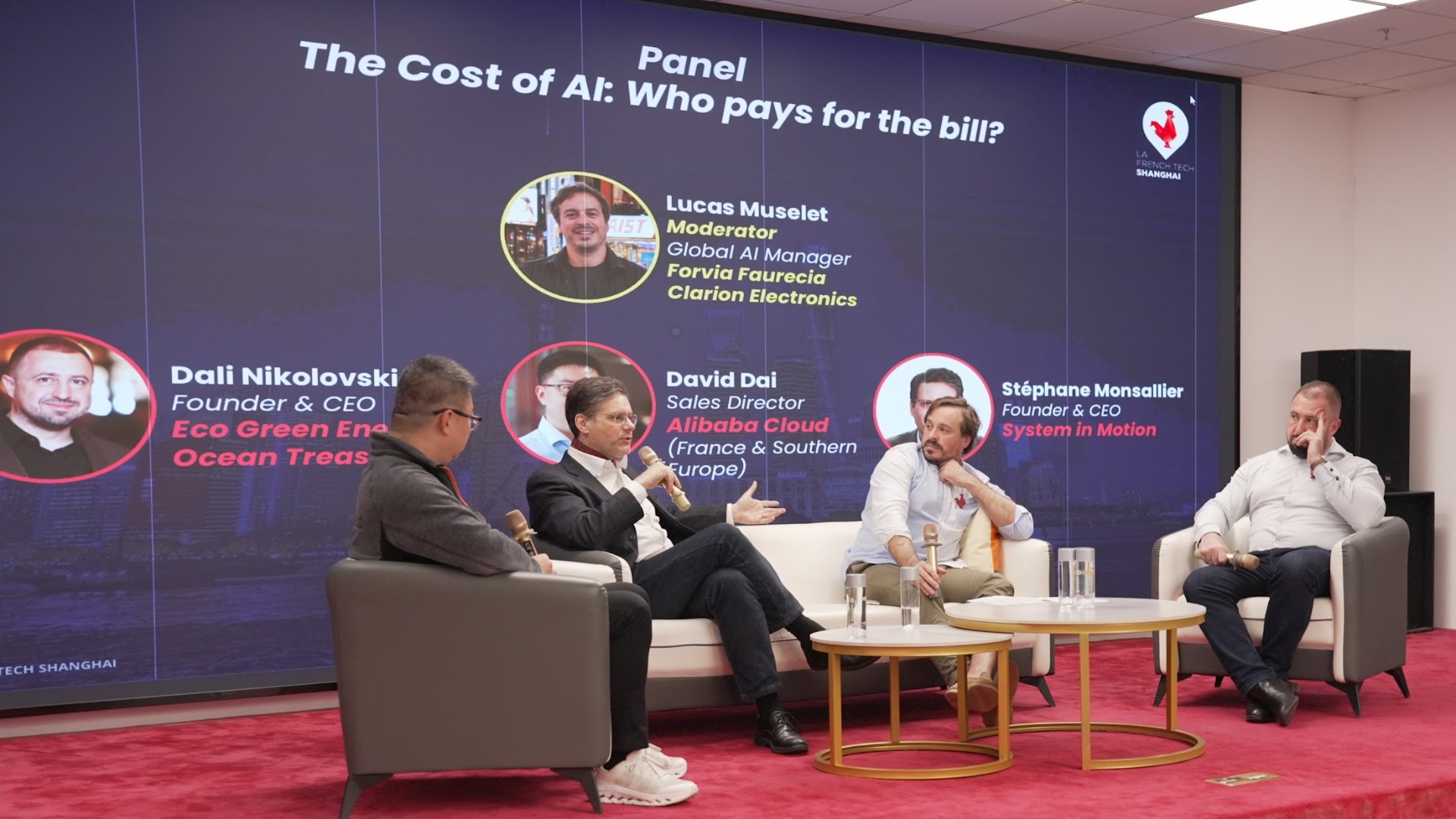
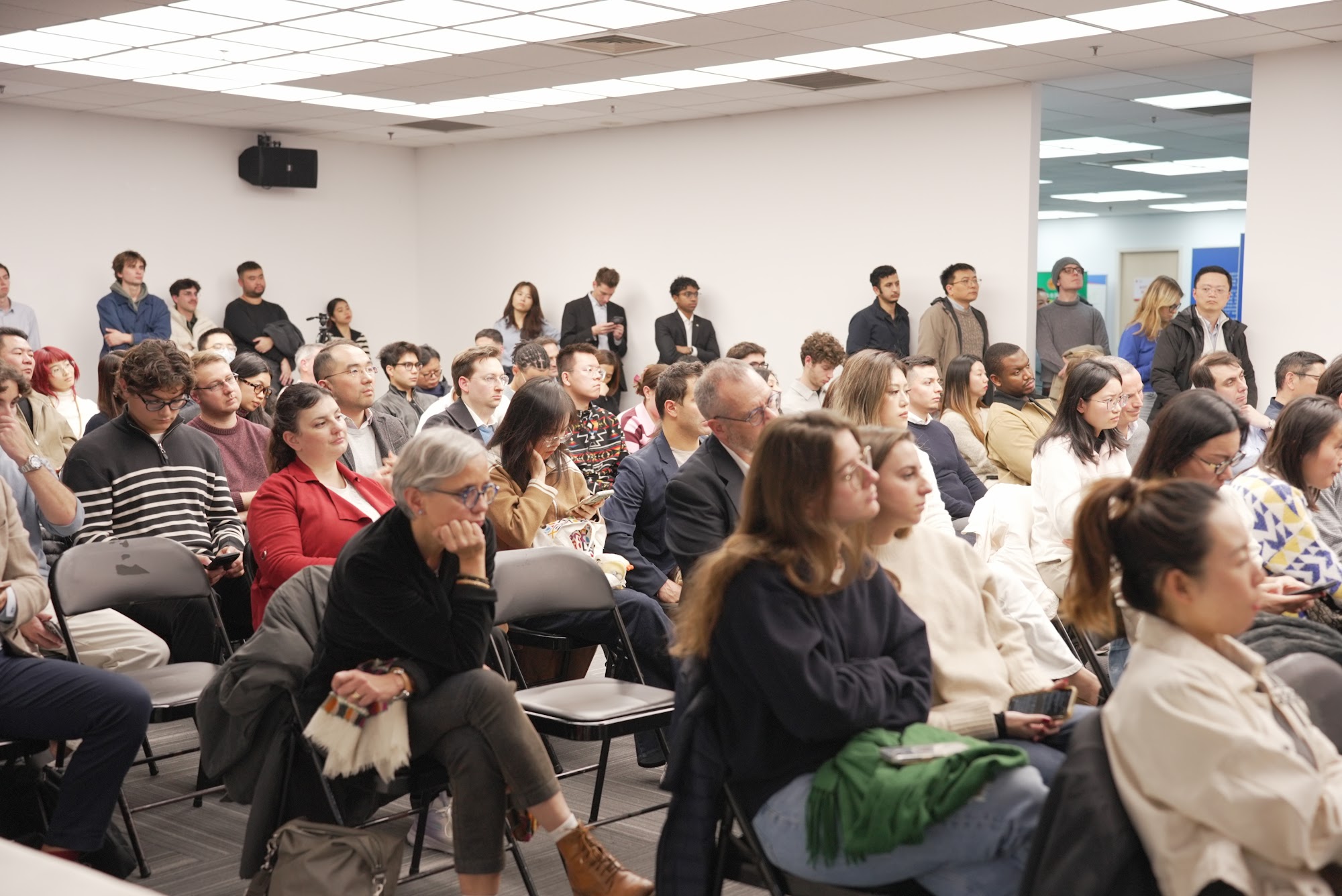
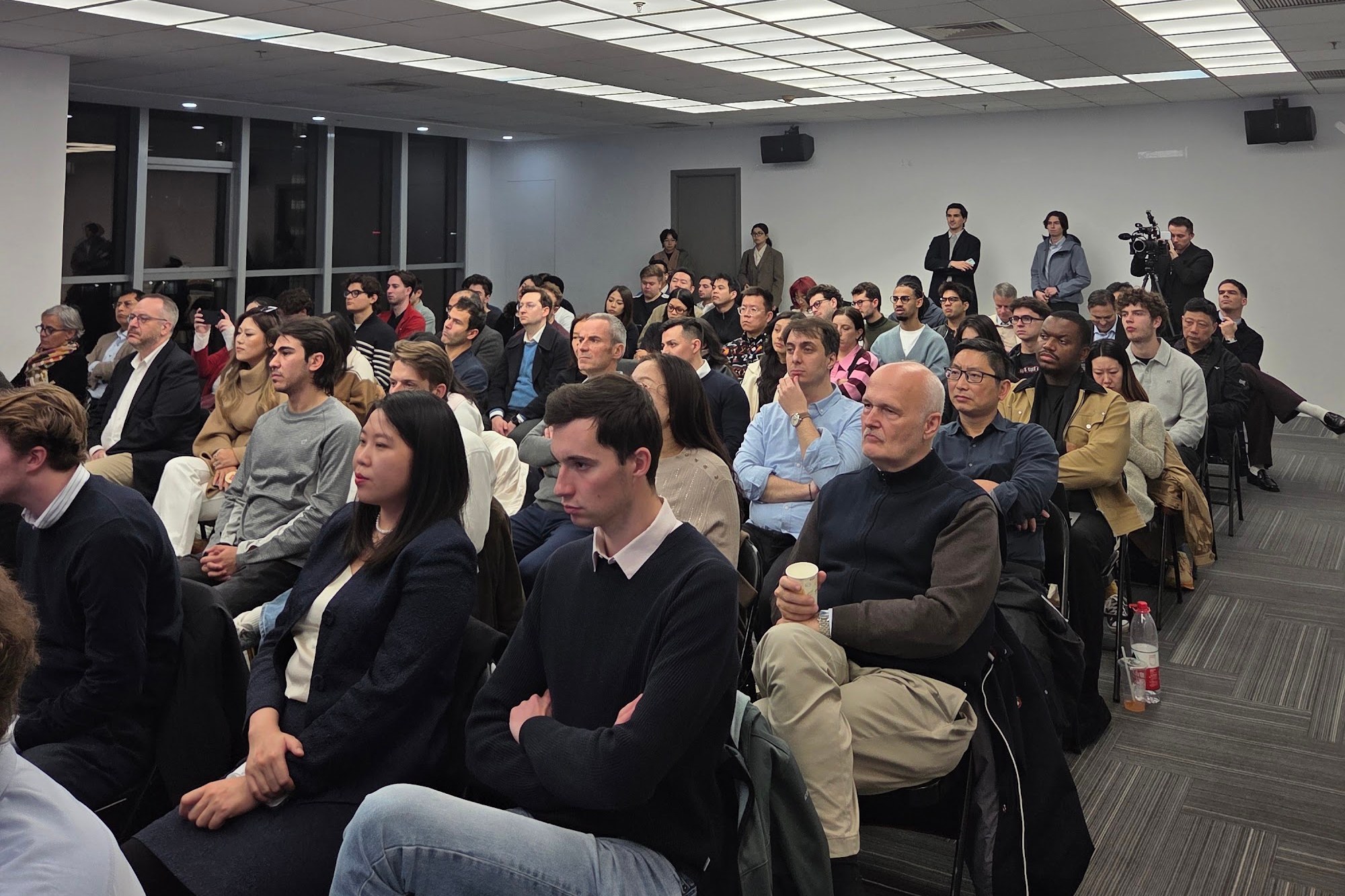
On November 26, about 100 founders, executives and students joined us in Shanghai for FrenchTechSH Connect. The question of the evening: what happens when the token bill grows faster than the return? Here is what we took away.
The panel: who pays the bill?
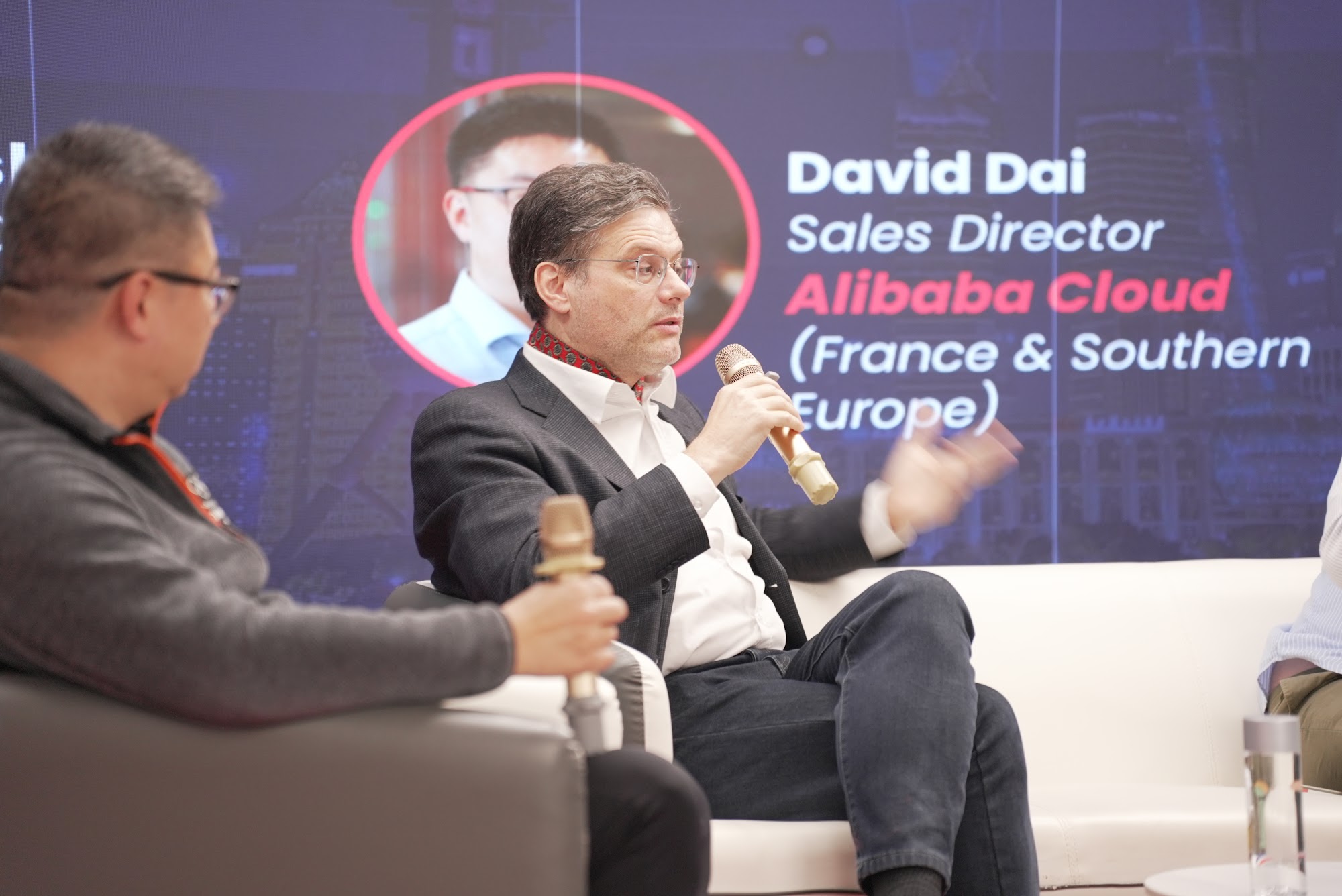
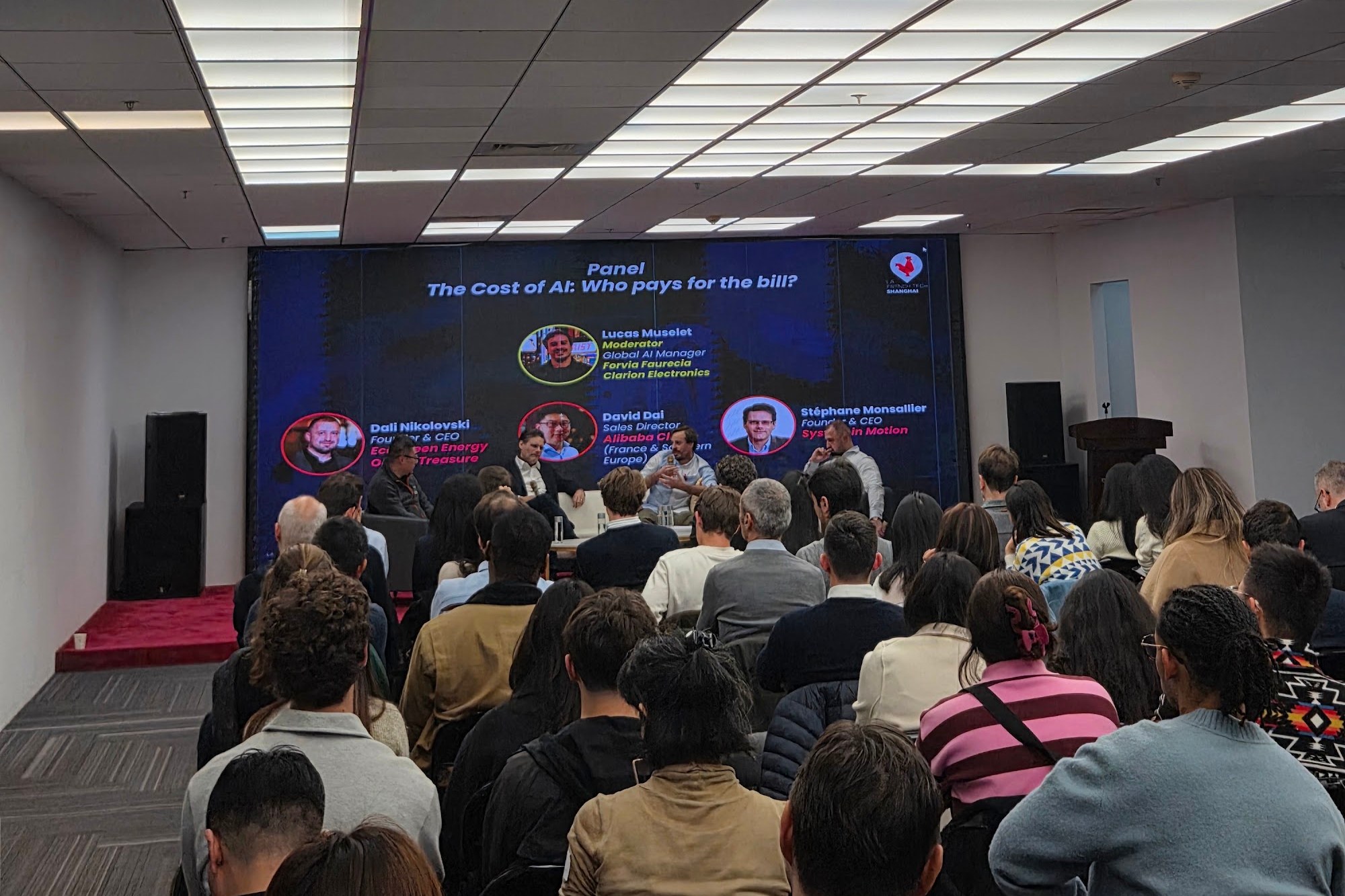
Lucas Muselet, Global AI Manager at Forvia Faurecia Clarion Electronics, moderated the discussion with Dali Nikolovski (Founder & CEO, Eco Green Energy and Ocean Treasure), David Dai (Sales Director, Alibaba Cloud, France & Southern Europe) and Stéphane Monsallier (Founder & CEO, System in Motion).

From pilot to production
A pilot is a demo. Production is something else. A pilot is one good question, asked by a capable person who watches the answer. Production is a thousand requests a month, badly worded, sent by people in a hurry, with nobody checking each answer. An AI that is right nine times out of ten shines in a demo. At that volume, it also produces a hundred errors a month that someone has to find and fix. So the move to production is a question of reliability and organisation: who checks, who approves before anything reaches a customer, who is accountable when it goes wrong. Eco Green Energy, for example, deploys nothing without a test bench: a fictional company with deliberate traps, such as an outdated price list or a prospect who asked not to be contacted again.
The invoice is the smallest part of the bill. The provider’s invoice is the visible part. For simple tasks such as translating, rephrasing or summarising, the model cost per task is close to nothing. The real cost is time, in five places:
- Data. An AI is only as good as what it reads. If the old price list sits next to the new one, it will quote the wrong price with great confidence. Before any deployment, someone has to sort the documents, date them, remove duplicates and flag what is confidential. That is human work, and it comes back every time the source documents change.
- Integration. To be useful, an AI has to read the mailbox, the CRM and the shared documents. Each connection needs IT approval, access rights, security rules and monitoring, because every connection breaks one day.
- Adoption. Teams have to learn how to word a request, what the tool does well and what it does badly. That takes training, examples from their own work and someone to answer questions in the first weeks. Without it, people drop the tool after a few weeks.
- Checking. This is the most underestimated cost. If AI saves thirty minutes and the review takes twenty, the real gain is ten. The more a result matters, such as a quote or a message to a customer, the longer the review. The gain has to be measured after checking.
- Maintenance. Providers change and retire their models regularly. Each change means testing again everything that worked: the instructions, the connections, the format of the results. An AI project is not bought once. It is maintained, like an industrial asset.

Keeping the bill under control
Bills explode because of configuration, not price lists. A bill that explodes rarely comes from a model that is too expensive. It almost always comes from a system that is badly set up. Four mechanisms do most of the damage:
- Constant rereading. A model has no memory. With every new message, the whole conversation is sent again, so the tenth answer costs far more than the first. The same happens when an agent reloads the entire document base to answer a simple question: the company pays for hundreds of pages nobody needed.
- Loops. An agent does not answer once. It searches, gets it wrong, starts again, then hands part of the work to another agent. Each step is billed, and a single request can cost ten times what was expected without anyone noticing. That is why an agent consumes so much more than a simple chatbot for the same task.
- Invisible reasoning. Recent models think before they answer. That thinking never appears on screen, but it is billed as generated text, which costs several times more than the text the model reads. Setting reasoning to maximum for a trivial task is like paying an engineer to sort the mail.
- A change of scale. Text is cheap. Images and video are not. The same request sent to a video tool by mistake can cost several times more than it would as text, so each type of request has to go to the right tool.
None of this shows on a price list. It shows when the cost of each task is tracked, so a drift is spotted the same day, not on the invoice at the end of the month.
The cost of an error decides the model. To translate, summarise or classify, a small model is often enough: the result can be checked at a glance, and an error costs almost nothing. For a quote, an analysis or anything that goes to a customer, the strongest model is worth its price. A cheap model that fails twice costs more than an expensive one that succeeds the first time. The practical answer is routing: each type of task goes to the right level of model. Two more lessons: better instructions sometimes improve a result more than a bigger model, and sometimes the best AI is no AI at all, because simple rules are faster, cheaper and easier to explain.
A few simple levers go a long way.
- Set a budget cap that the system enforces itself. An alert e-mail nobody reads is not a cap.
- Send the model only what it needs: search for the relevant passages first, instead of handing over the whole document base.
- Use what providers offer, such as caching for repeated information and off-peak prices.
- Approve the cheap steps before paying for the expensive ones. For a video, that means the storyline, then the script, and only then the voice and the rendering.
Where the model runs
China’s model price war is not a business plan. Prices move both ways, and a plan built on a promotional price is fragile. An online service is cheap, but the data leaves the company and the price can change overnight. Three questions matter more than the price list: where does my data go, who can change my price, and can I switch models without rebuilding everything?
Companies want AI on their own servers. The panel pointed to a clear trend: more and more companies want to run models locally, on infrastructure they control. Open models make it possible. The data stays inside the company, and the cost becomes hardware and maintenance instead of a bill per token.

The human side
Users need training, or tokens get wasted. A tool is only as economical as the people who use it. Companies have to teach their teams how to word a request, which model or mode fits which task, and when a long conversation or a full document base is not needed. Without that, tokens are burnt on the wrong tasks, or the tool is quietly abandoned.
Companies are looking for versatile people who master AI tools. The profiles in demand are people who can cover several tasks with these tools: brief them well, check what comes back and combine them. That was worth hearing for the many students in the room.
Some costs never appear on an invoice. The panel also discussed the cognitive cost of working with AI agents. Supervising them, rereading what they produce and deciding when to trust it takes attention. That load falls on the very teams the tools were meant to relieve.
Measure from day one
A receipt for every piece of work the AI does. The monthly invoice says how much. It does not say what for. A receipt per task says what it cost, which model did it, and whether someone actually used the result. To judge a project, pick a concrete unit, such as a quote, a qualified lead or a report that gets read. Measure its full cost, whether it was right and whether it was used, then change one thing at a time.
The warning signs. Teams redo the work after the AI. Checking takes as long as doing. A handful of tasks eats half the budget and nobody can explain why. Nobody opens the tool three weeks after the demo.
And in two years, cheaper or more expensive? Both. The price of a given task keeps falling, but companies hand AI longer and bigger missions, so the total bill tends to rise.
Four start-ups on stage
Before the panel, four founders pitched in front of the community.
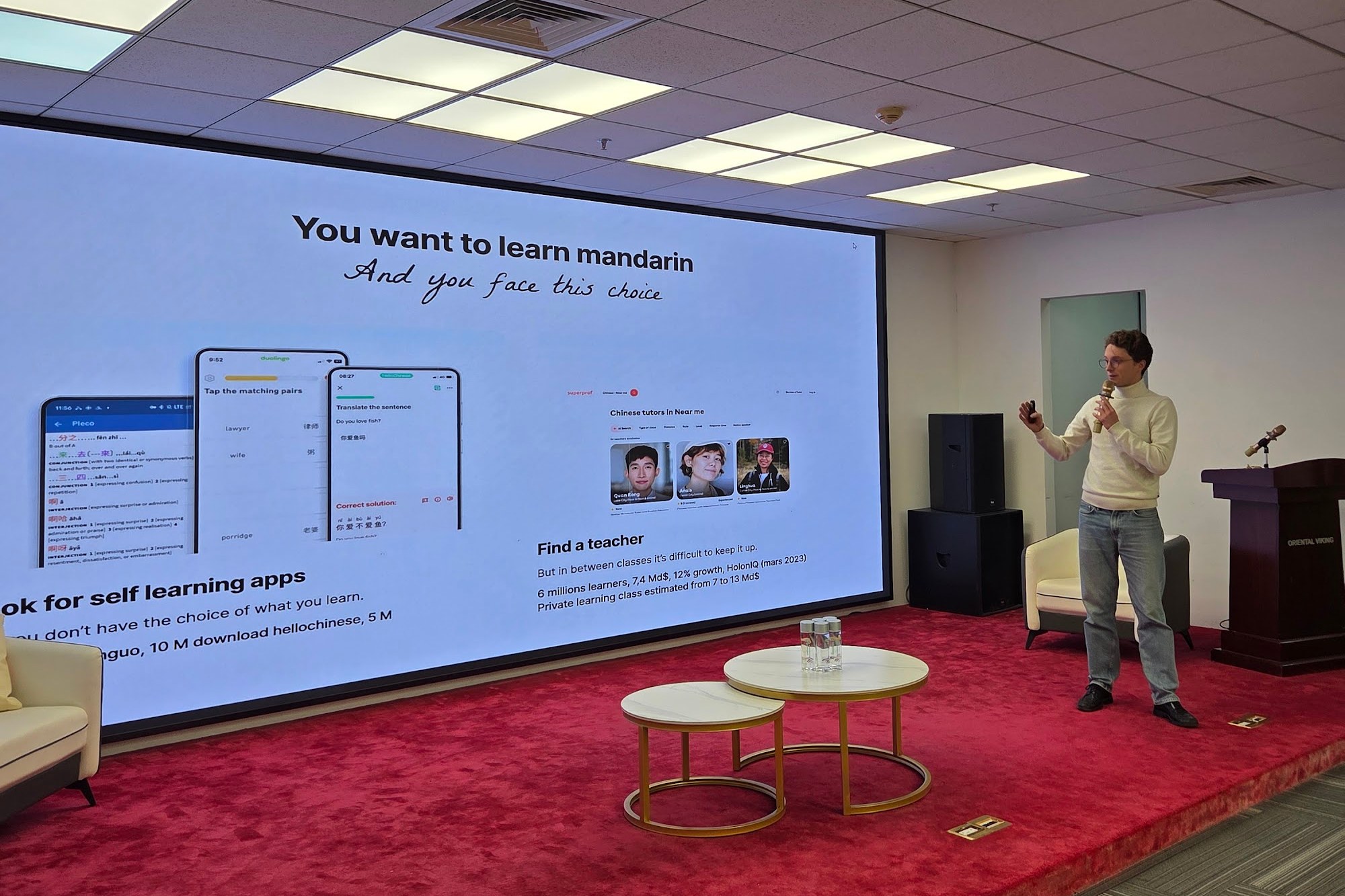
Jiayou (加油), presented by Louis Cochet. A Mandarin-learning app built around vocabulary. You learn on your own with quizzes, duels and HSK word packs, then take classes with a teacher in the same app.
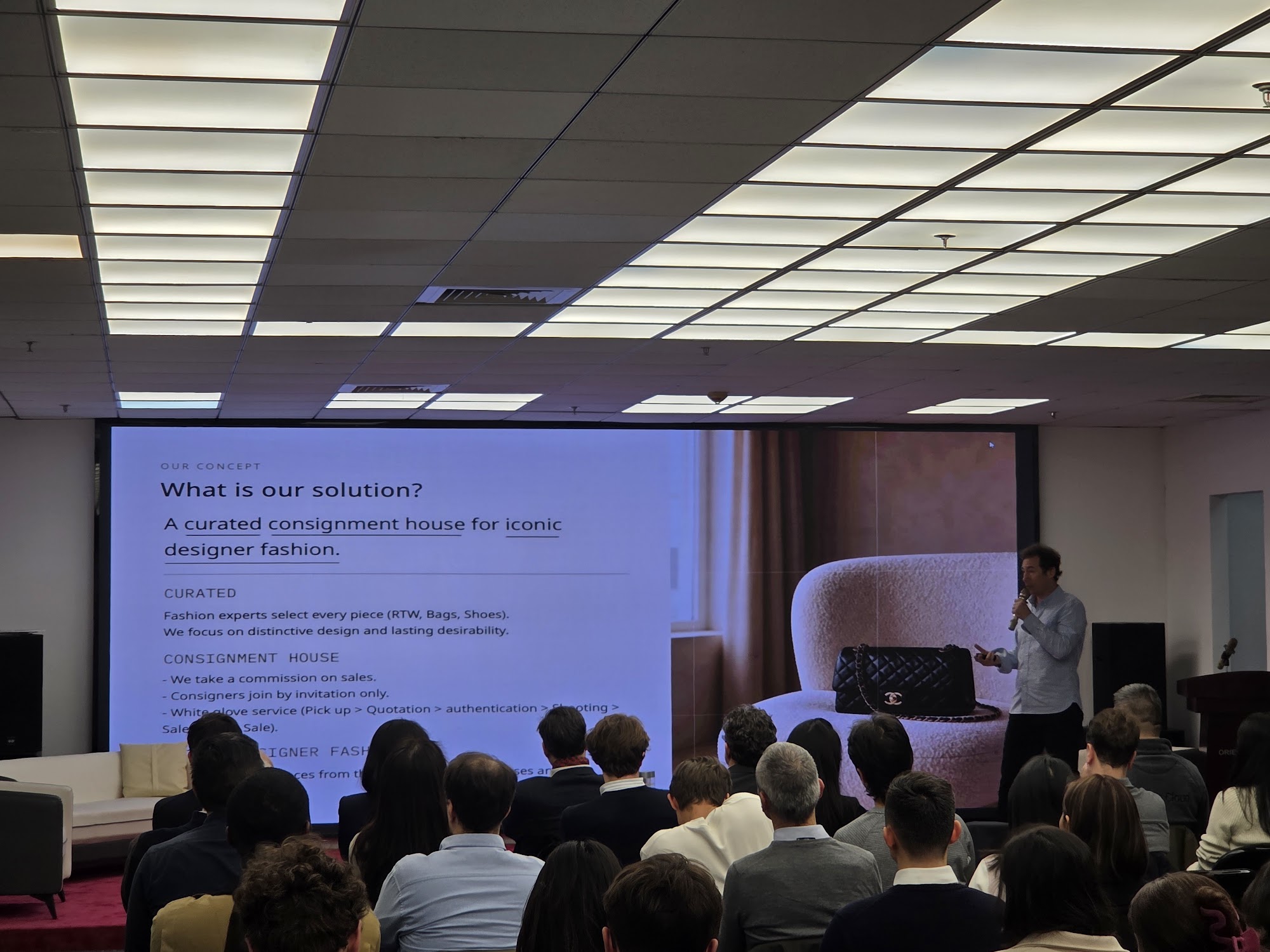
Season 2 (再季), presented by Julien de Préaumont. A curated consignment house for iconic designer fashion, starting in Shanghai. Sellers join by invitation, every piece goes through triple authentication, and AI supports identification, grading and pricing.
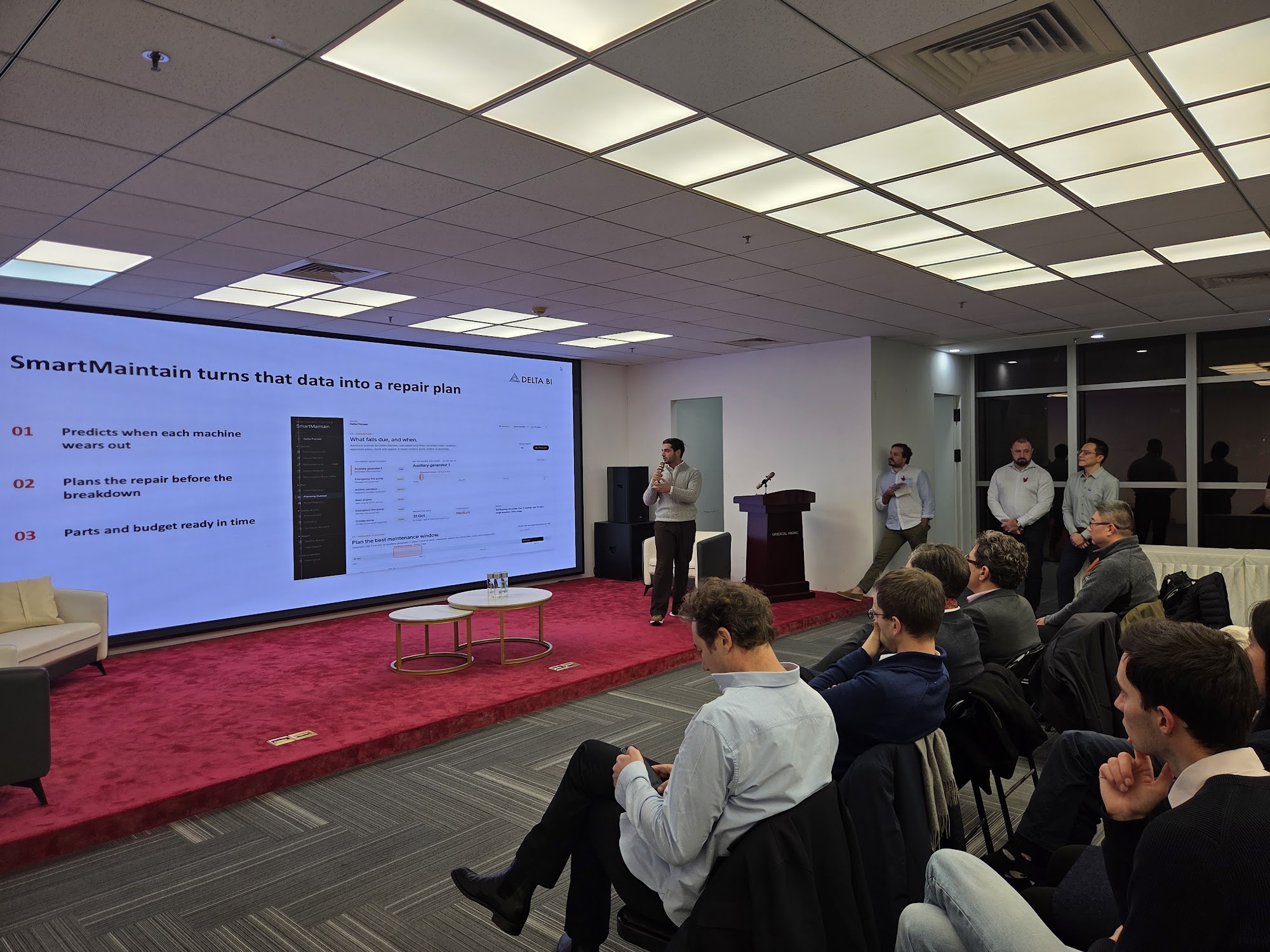
DeltaBI Solutions, presented by Erduan Al Zuhayri. Its SmartMaintain platform turns the sensor data that industrial and maritime companies already collect into a repair plan, so the repair, the parts and the budget are ready before the breakdown.
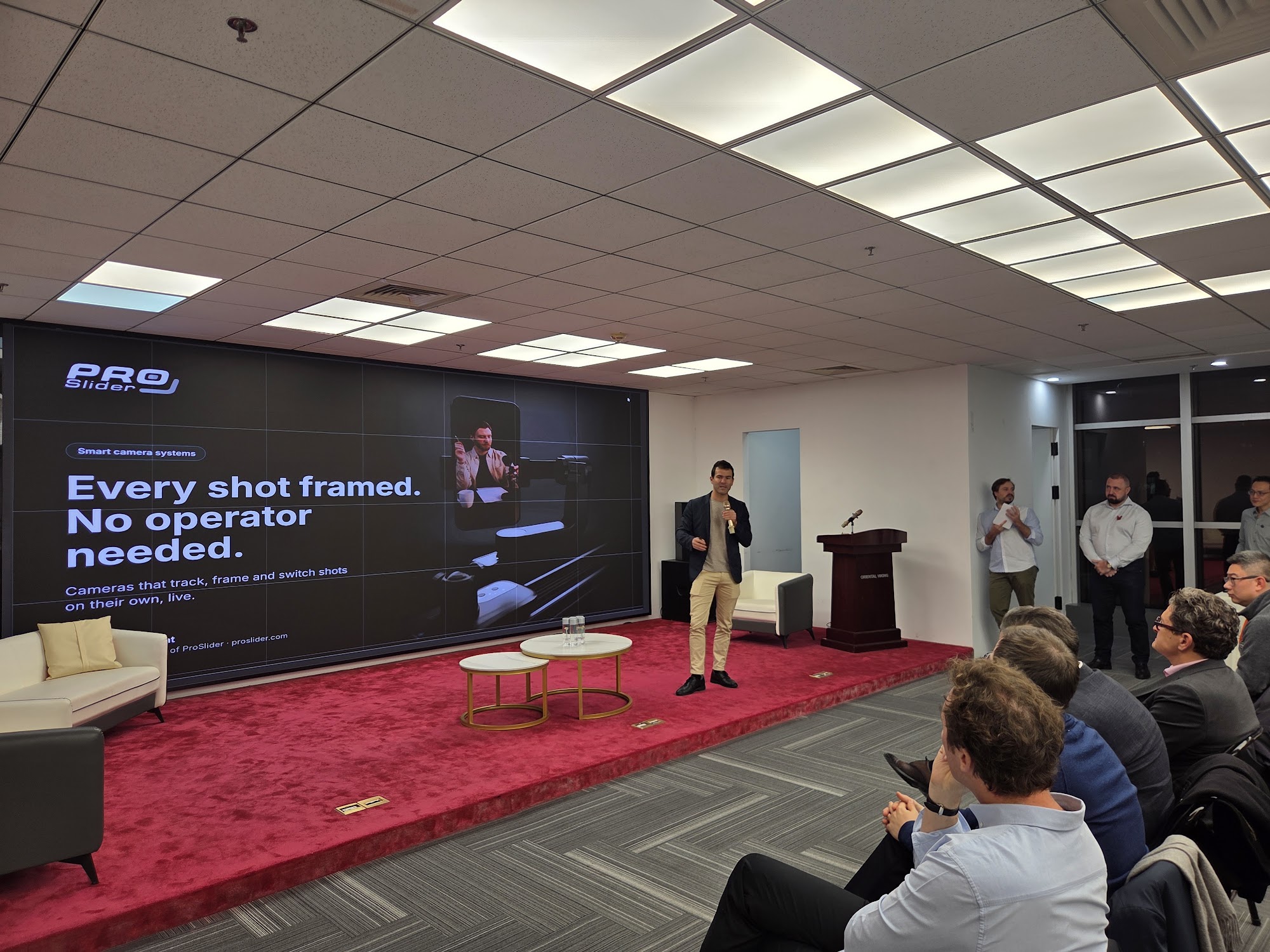
ProSlider, presented by Matthieu Picardat. Smart camera systems that track, frame and switch shots on their own. An event, a studio or a meeting room gets a live multi-camera picture without a camera crew.
Thank you
Thank you to Lucas Muselet for leading the discussion, and to Dali Nikolovski, David Dai and Stéphane Monsallier for sharing what AI really costs once it runs in production. Thank you to Louis Cochet, Julien de Préaumont, Erduan Al Zuhayri and Matthieu Picardat for pitching. And thank you to everyone who came, asked questions and stayed for a drink.

What’s next
Our next big event is the Physical AI Hackathon 2027, planned for 19–20 February 2027 in Shanghai (dates to be confirmed): 24 hours on real robots. Applications for participants are open. For everything else, see our events page.
Photos: Erwann Bertomeu