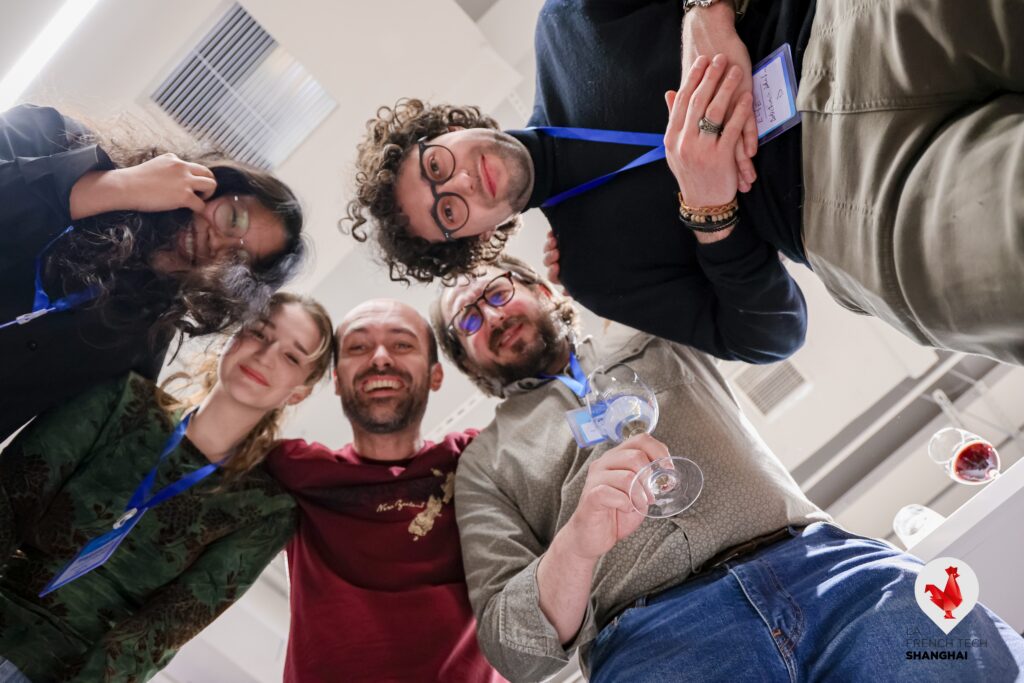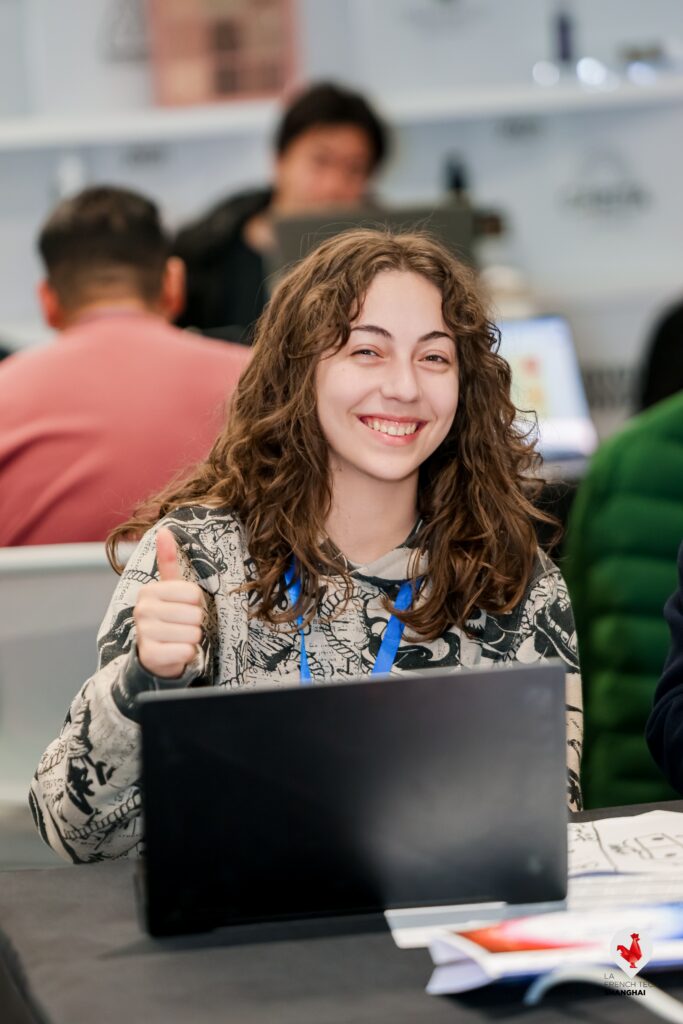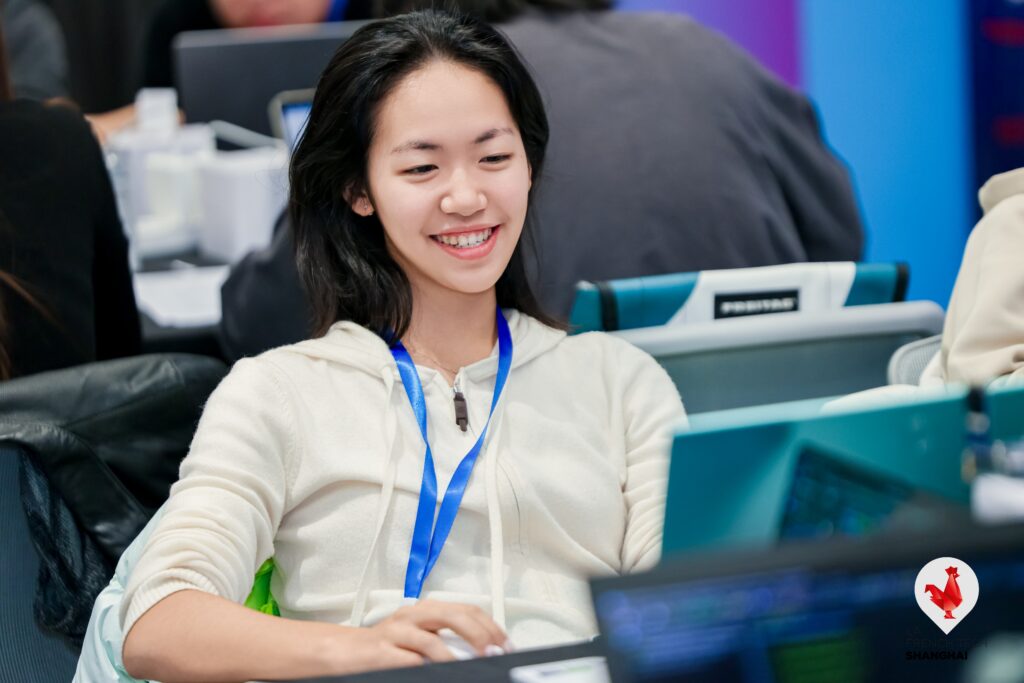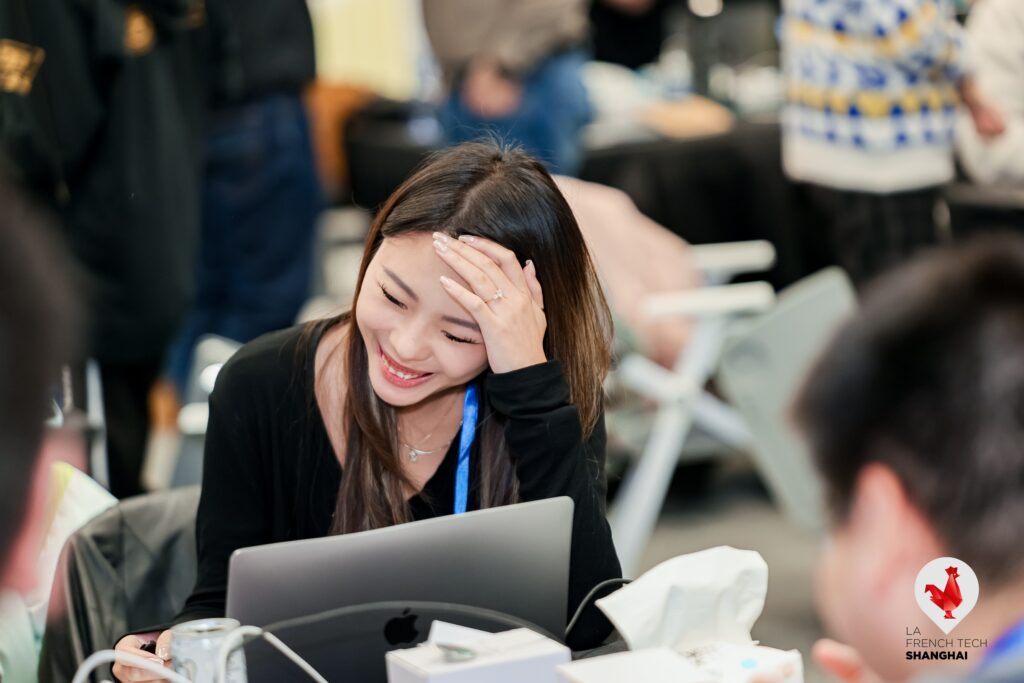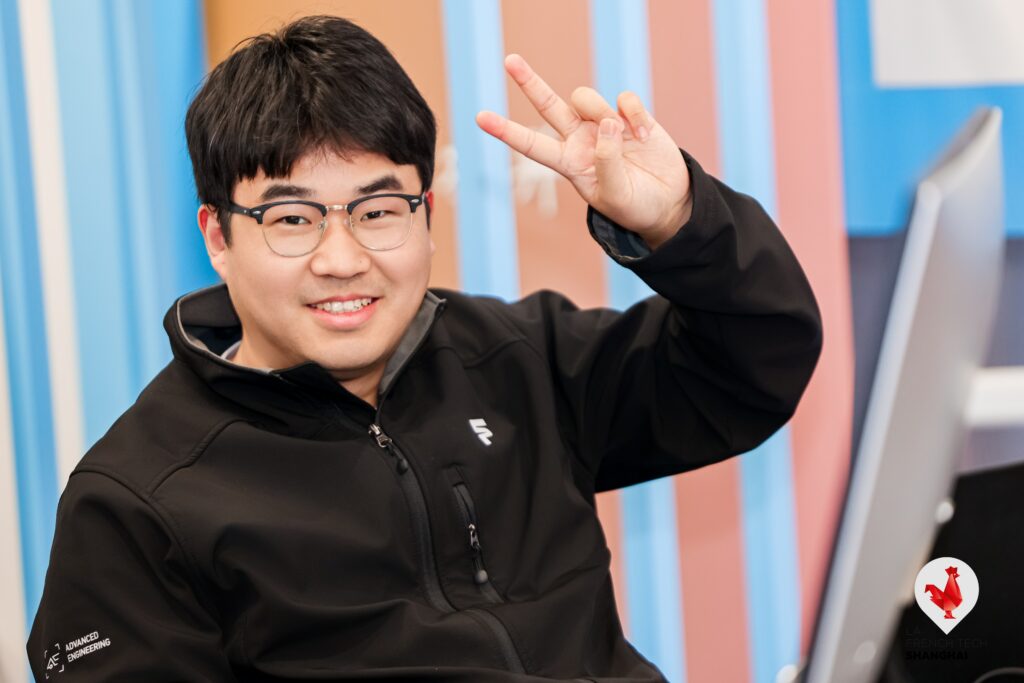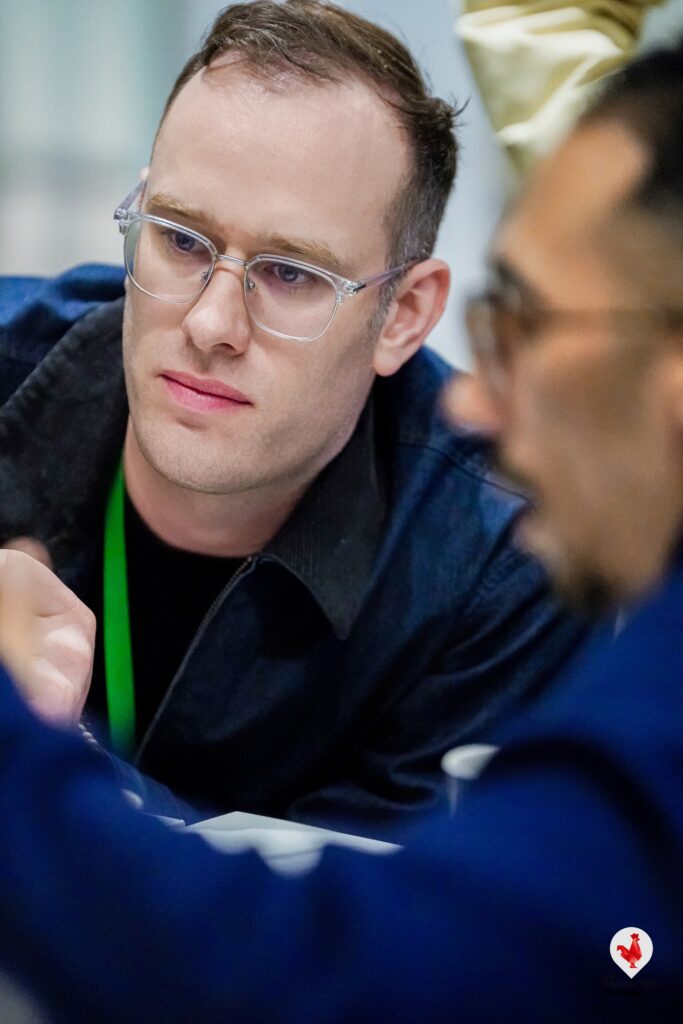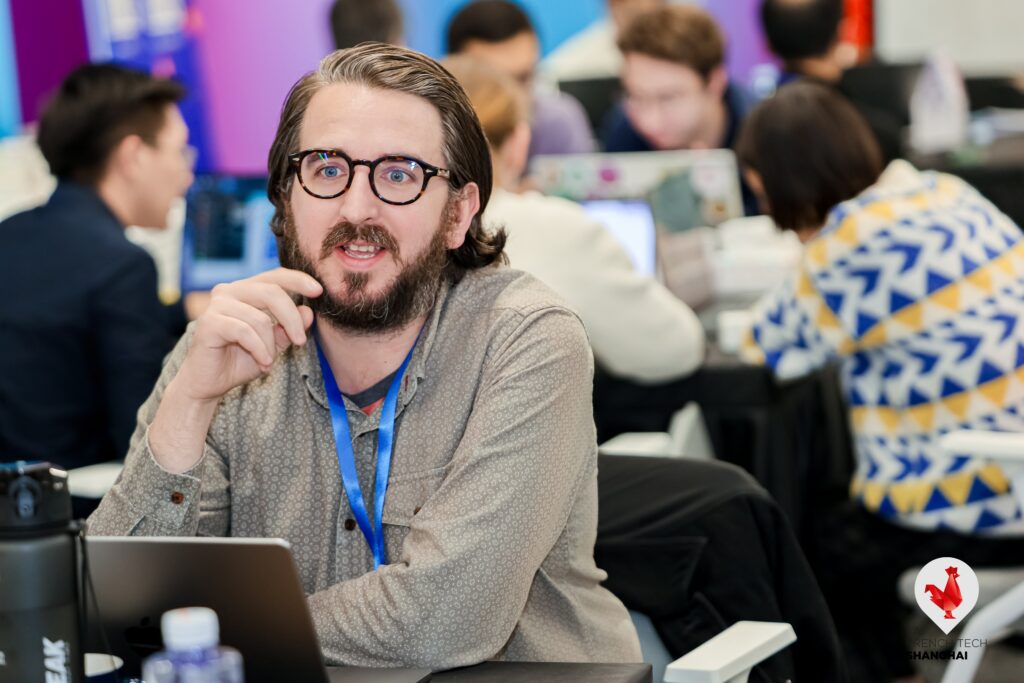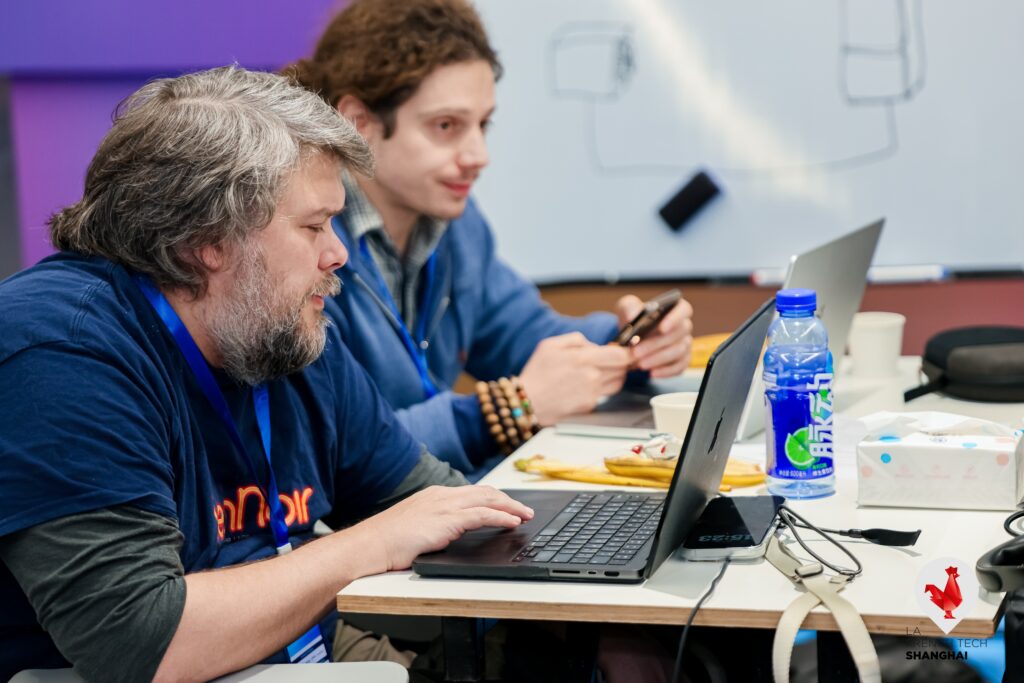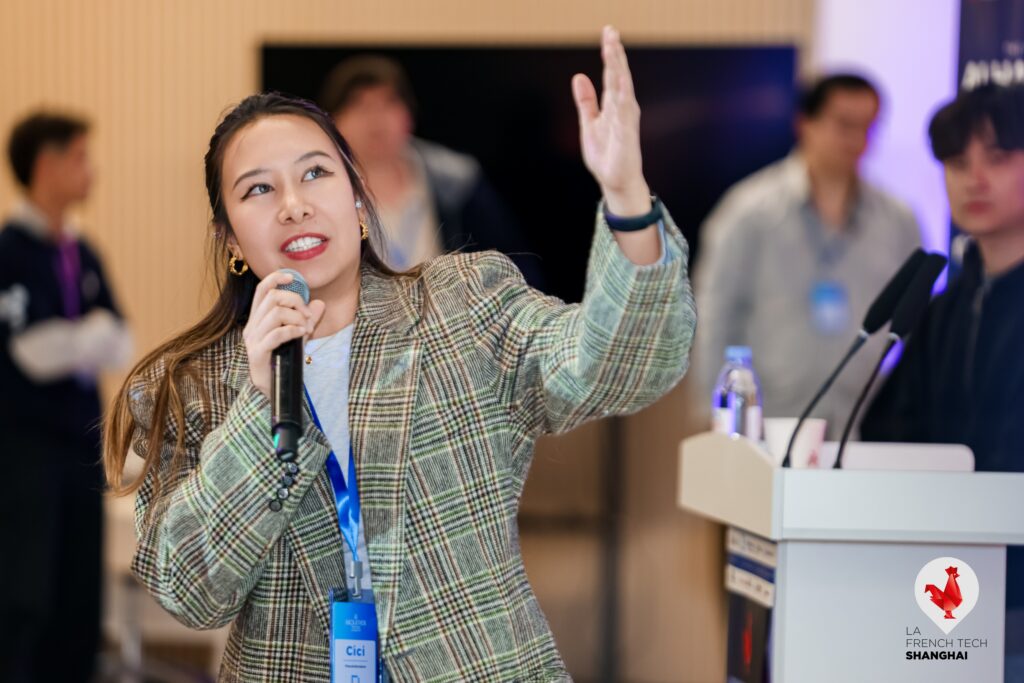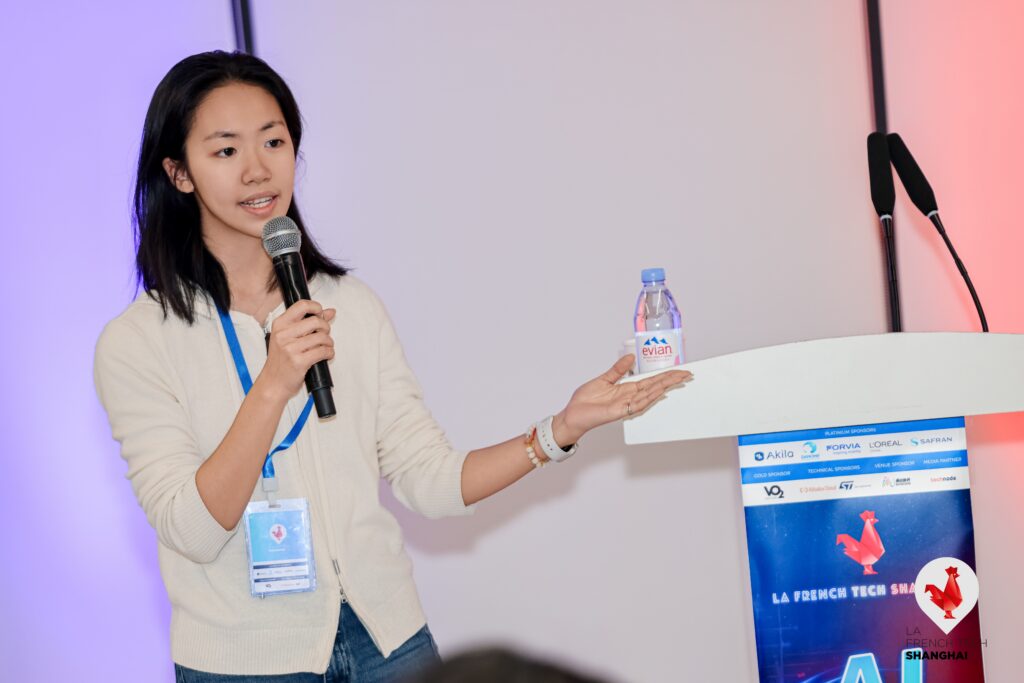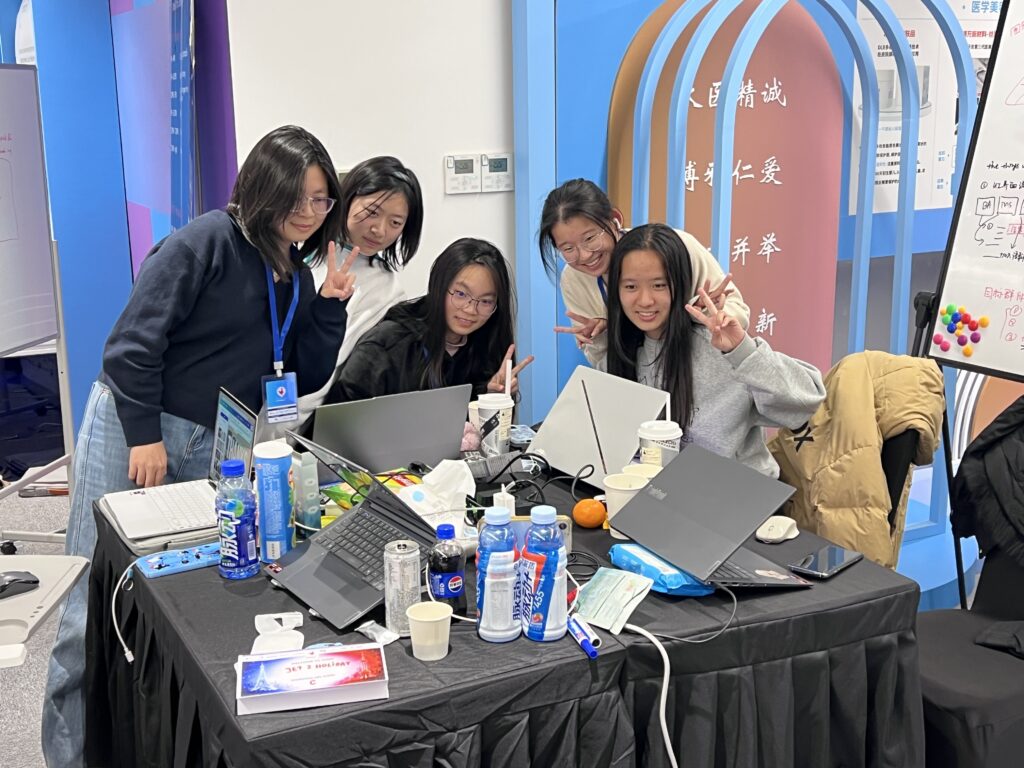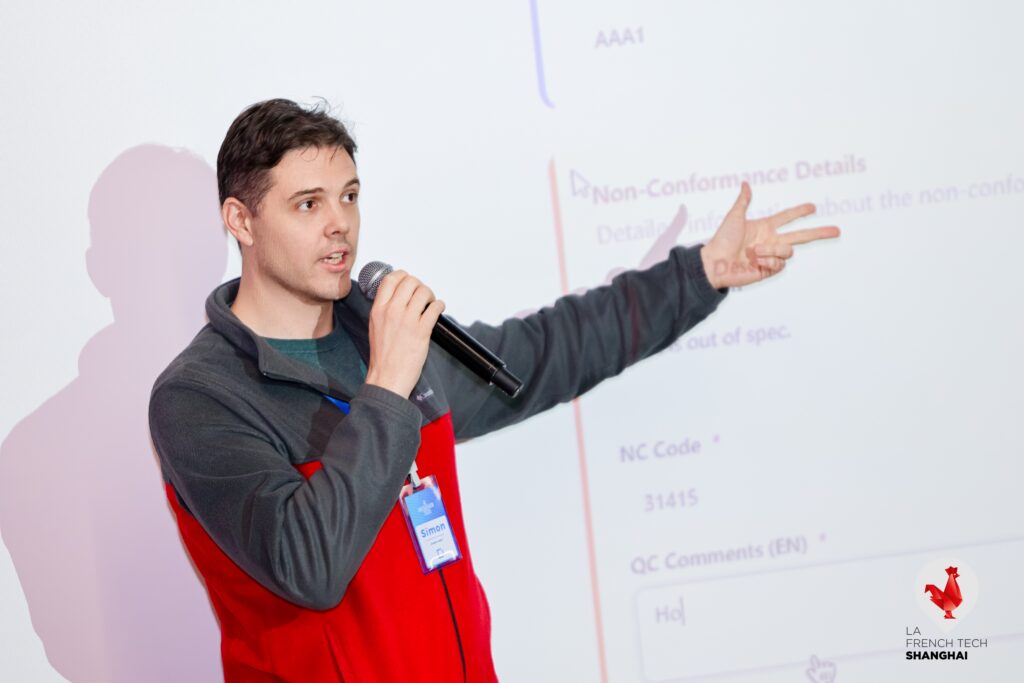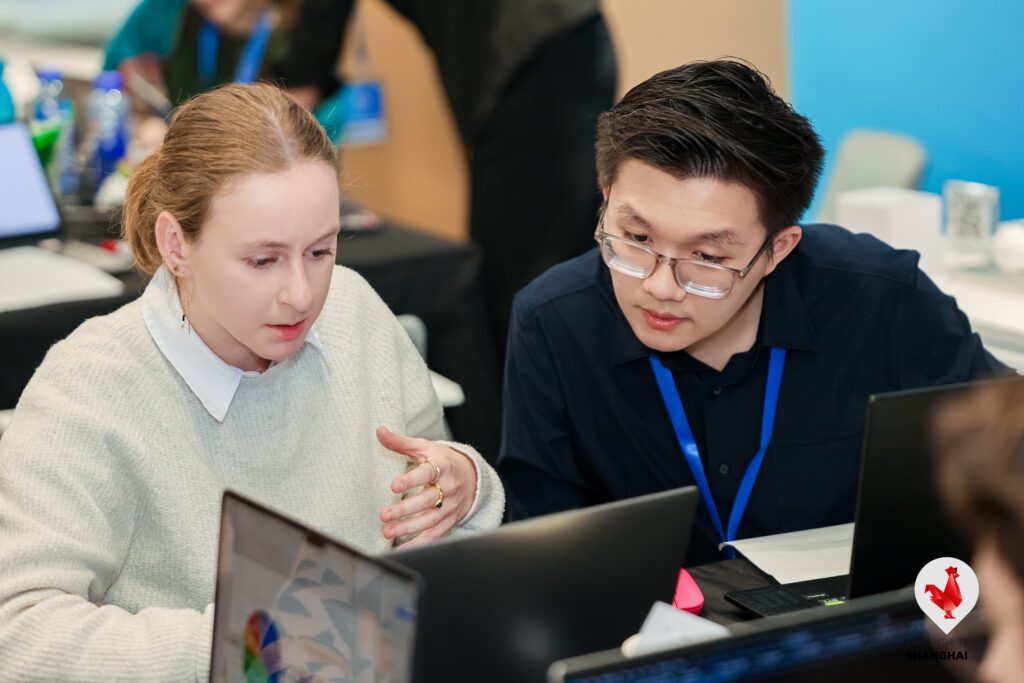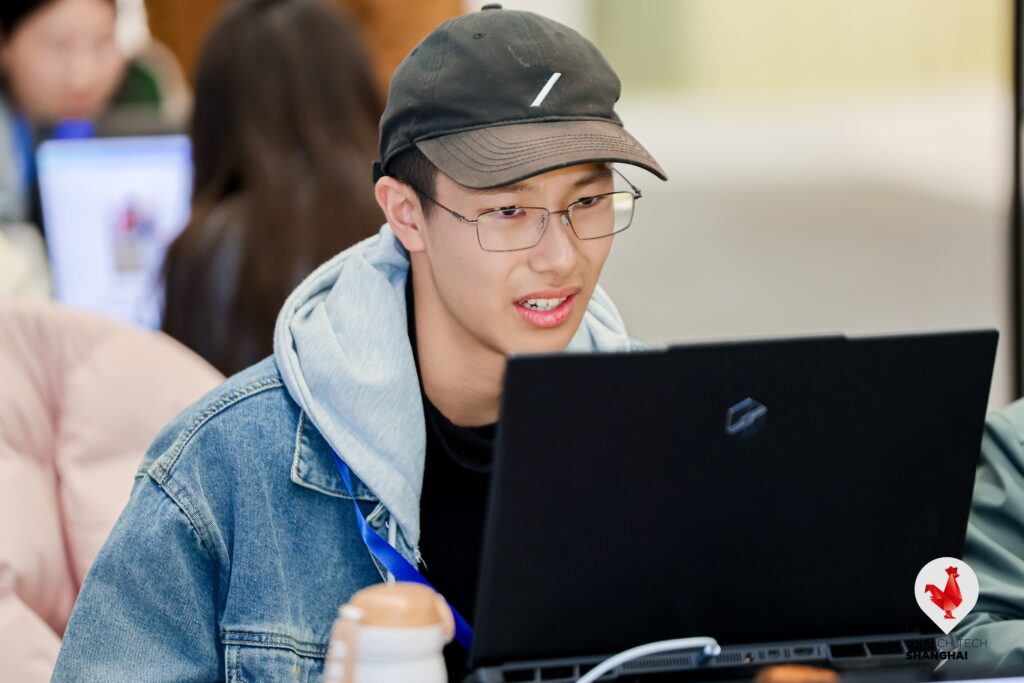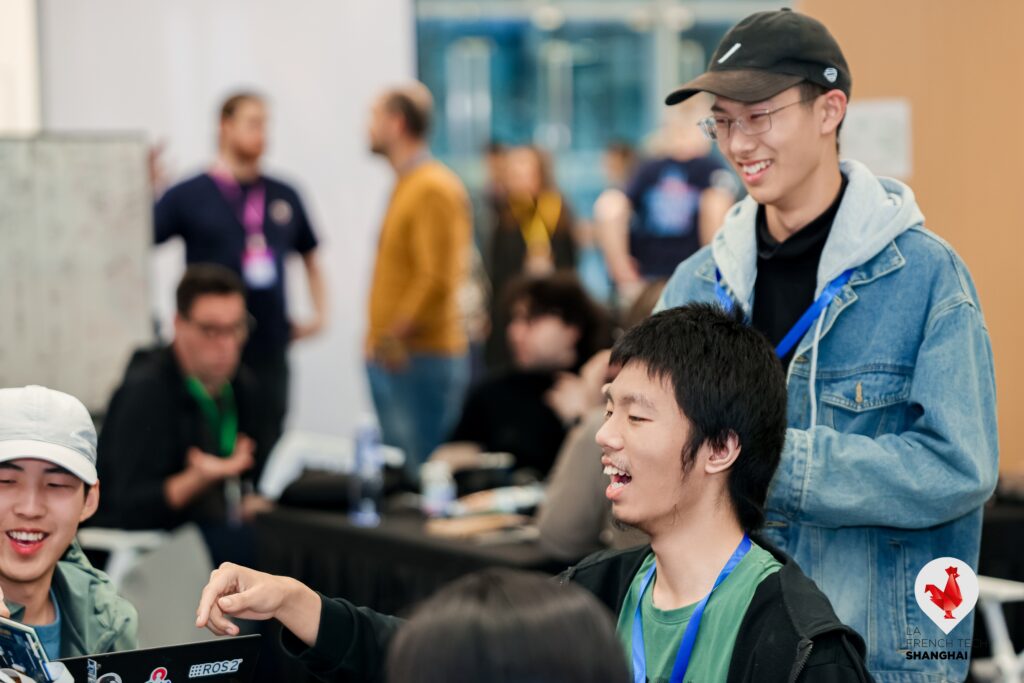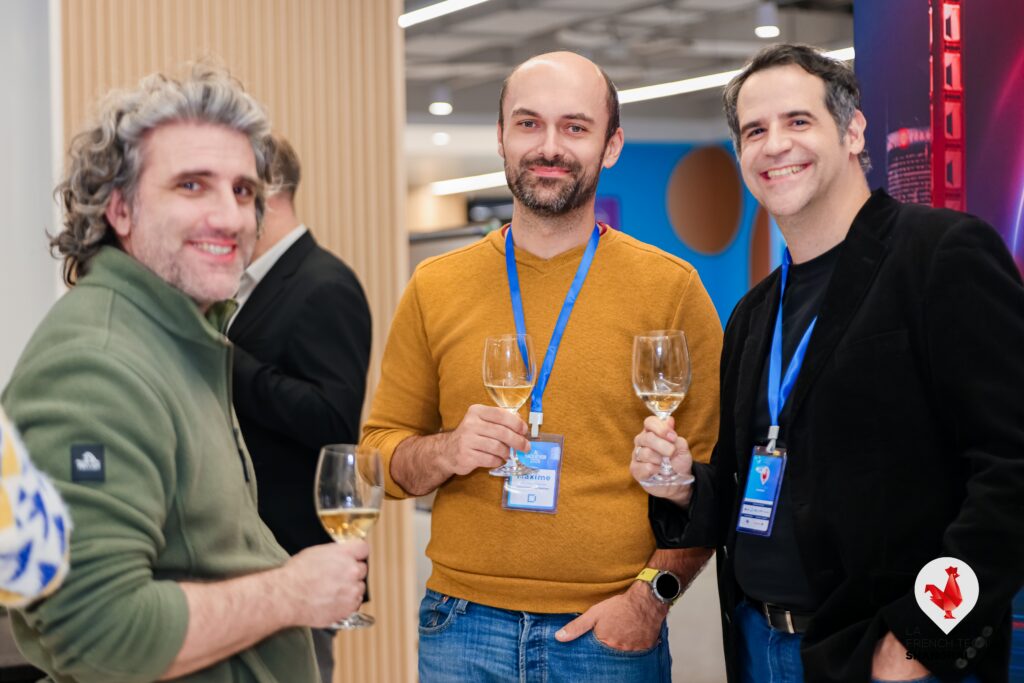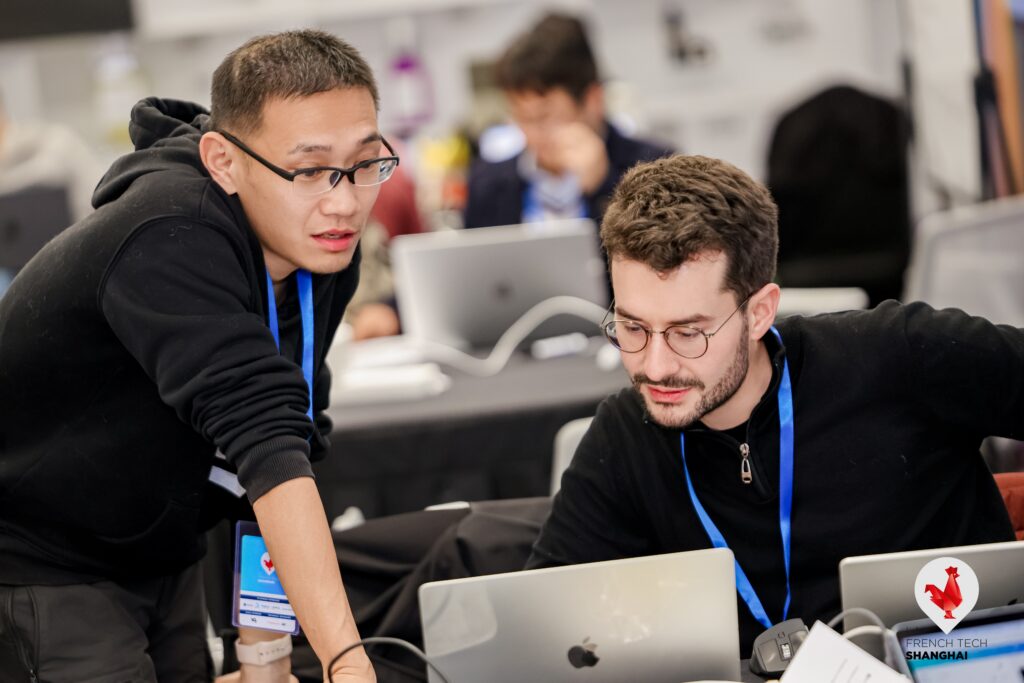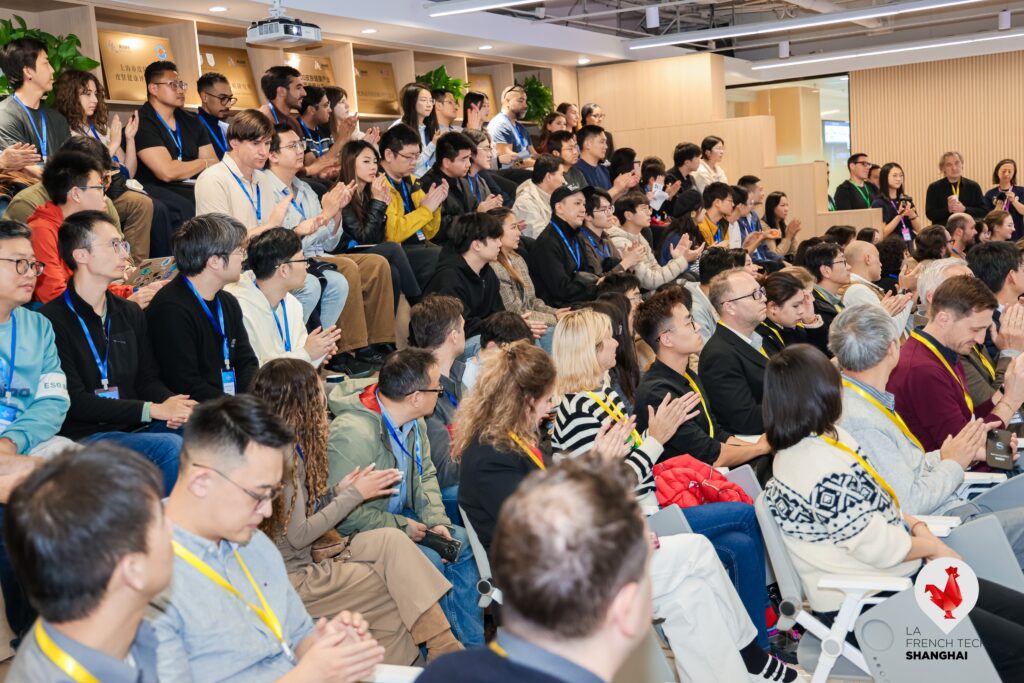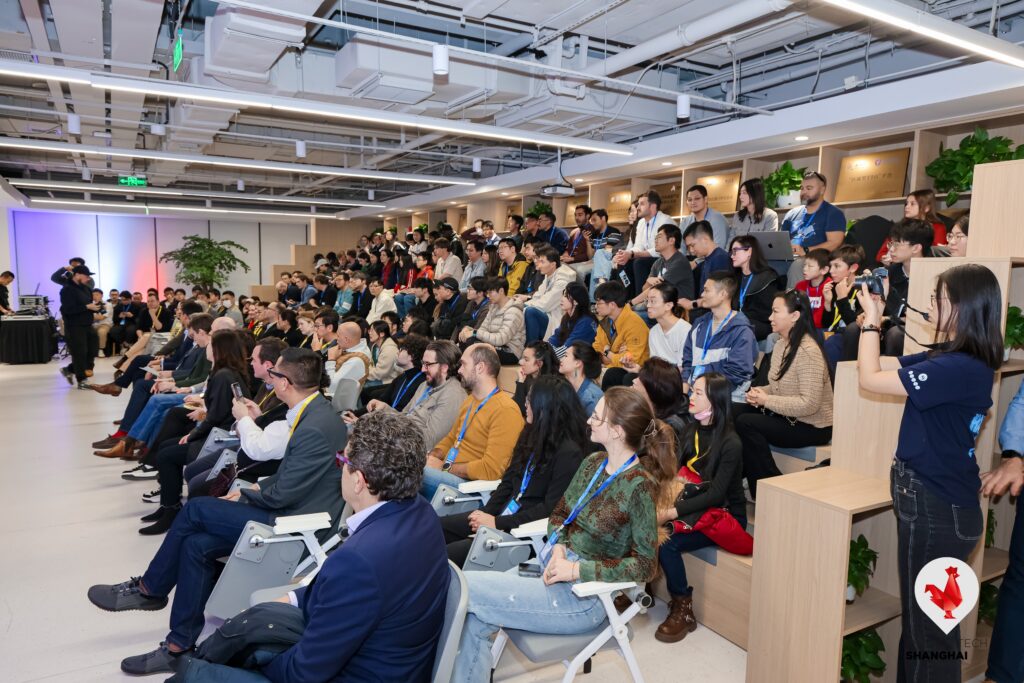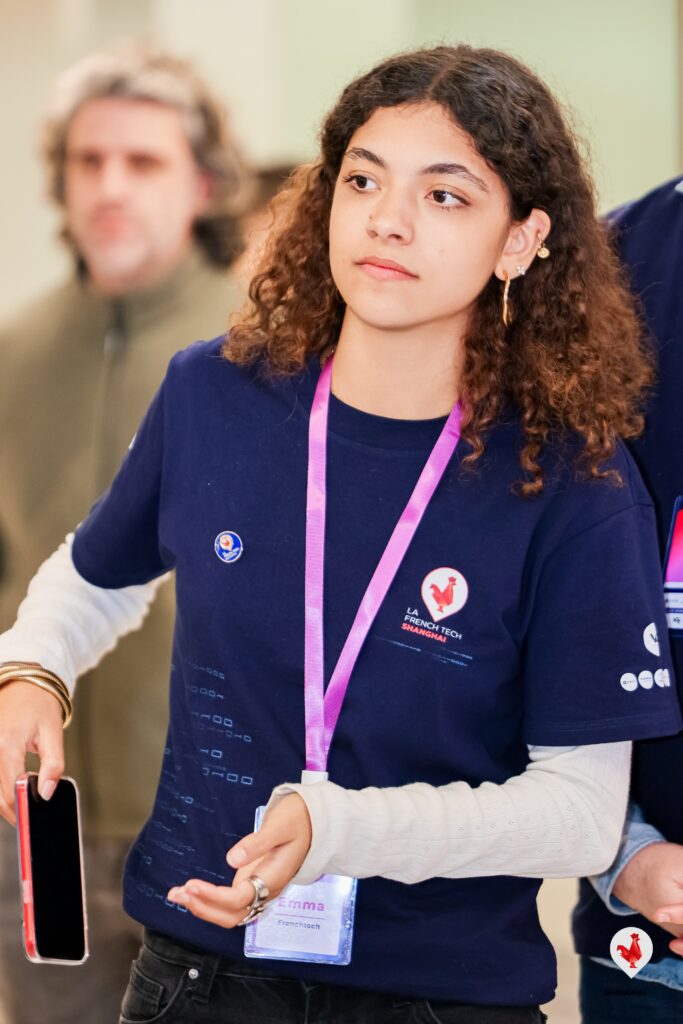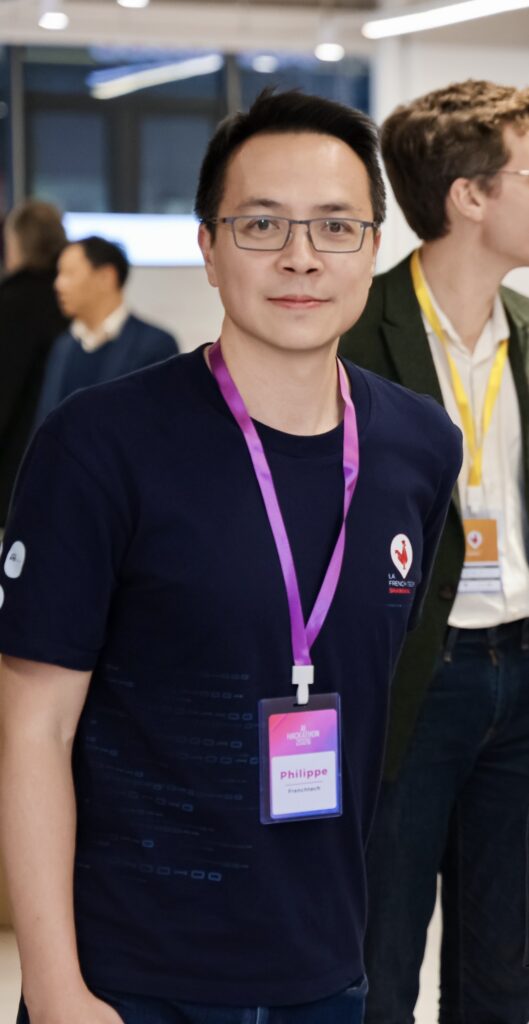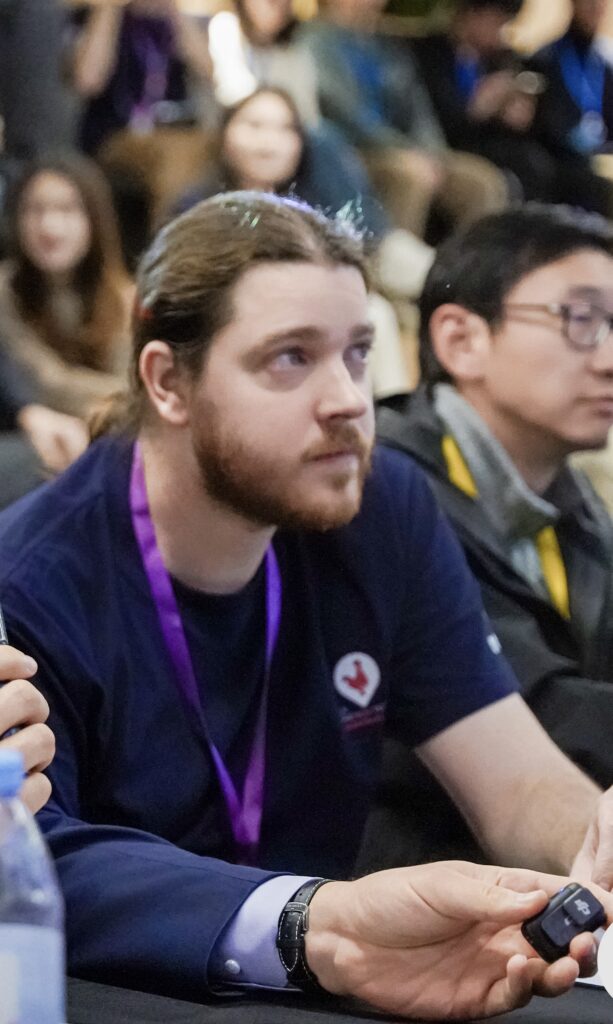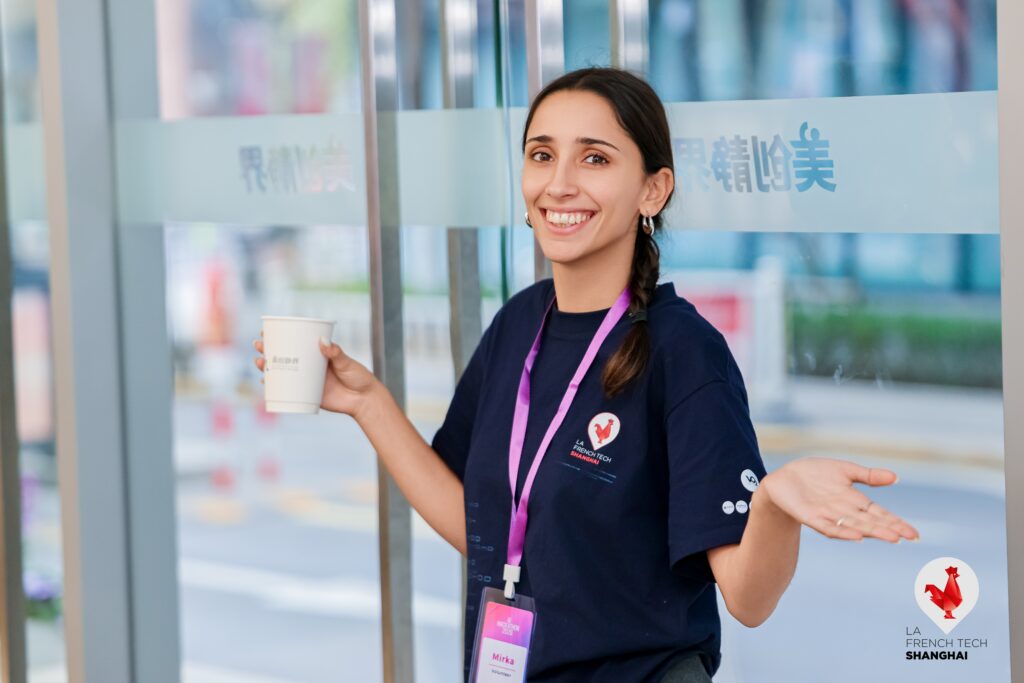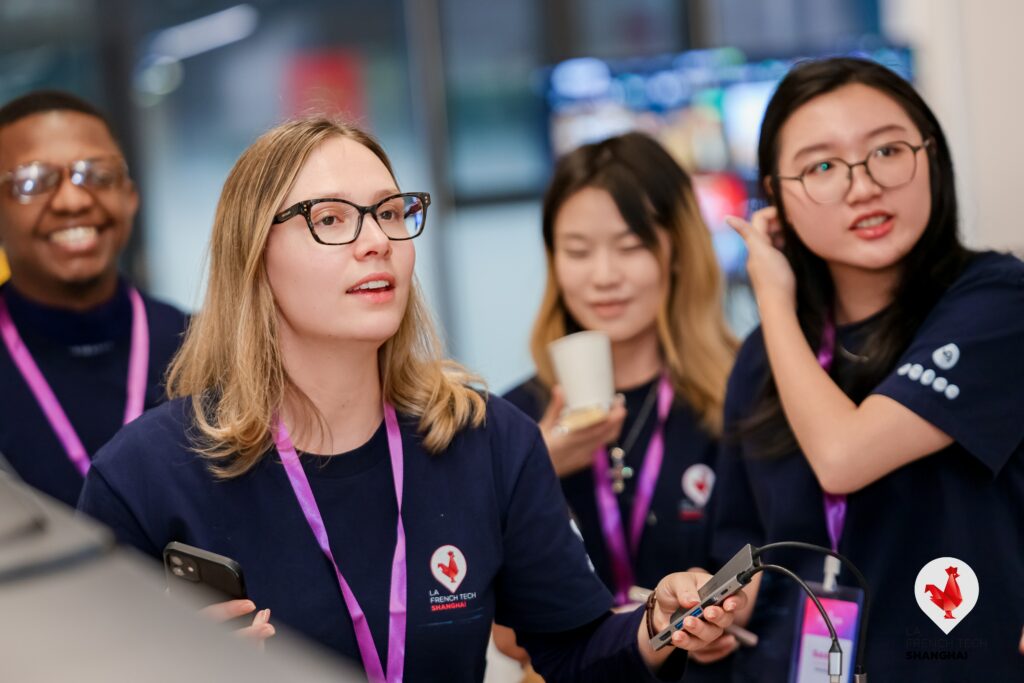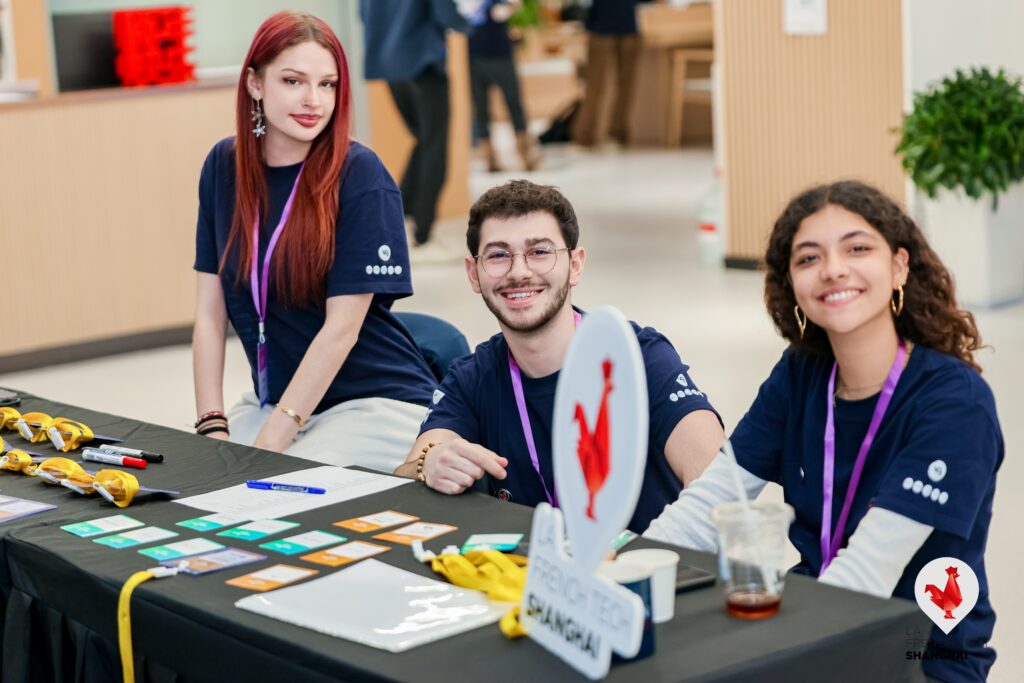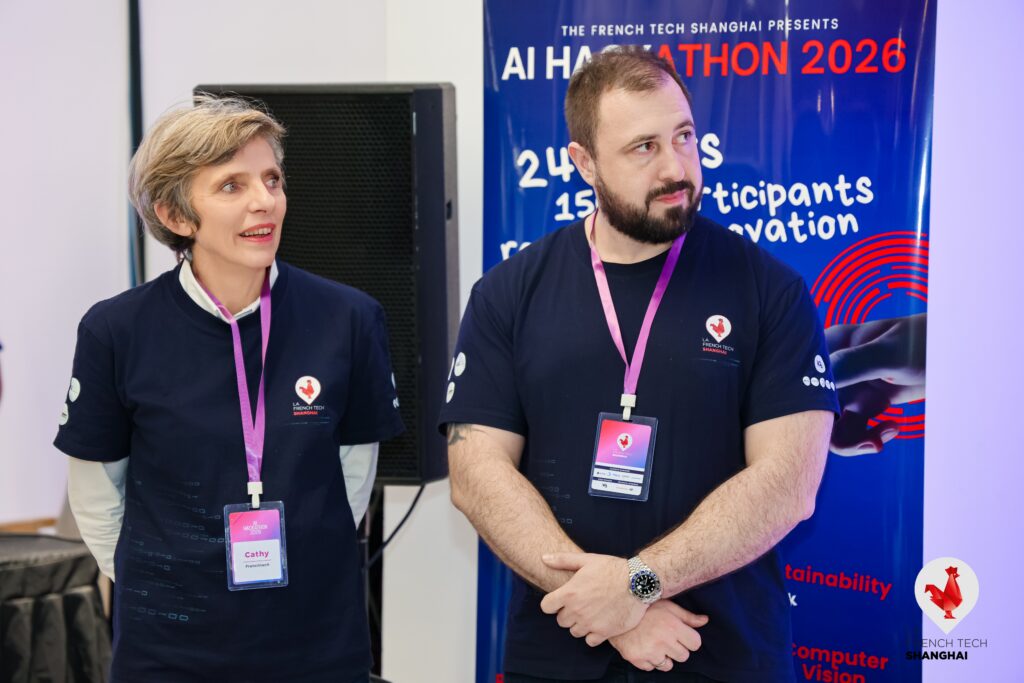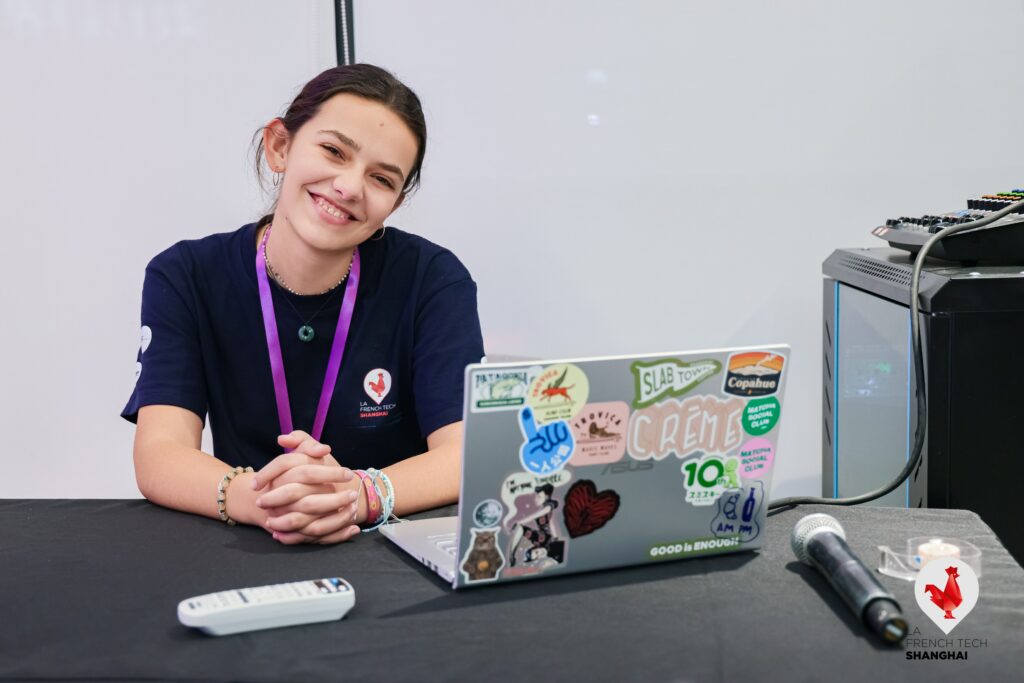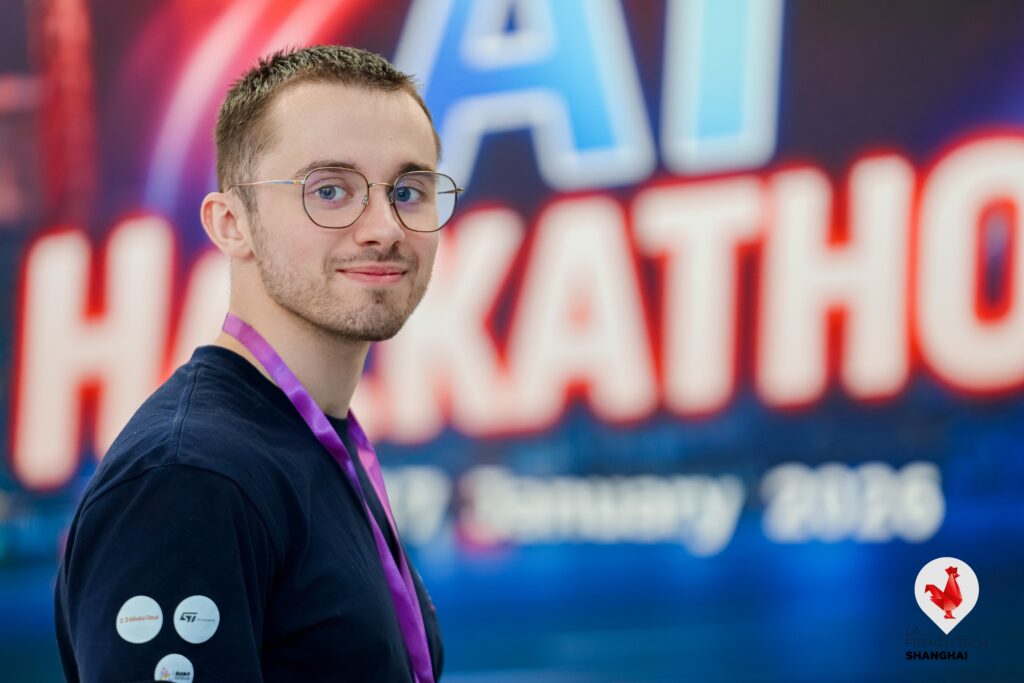
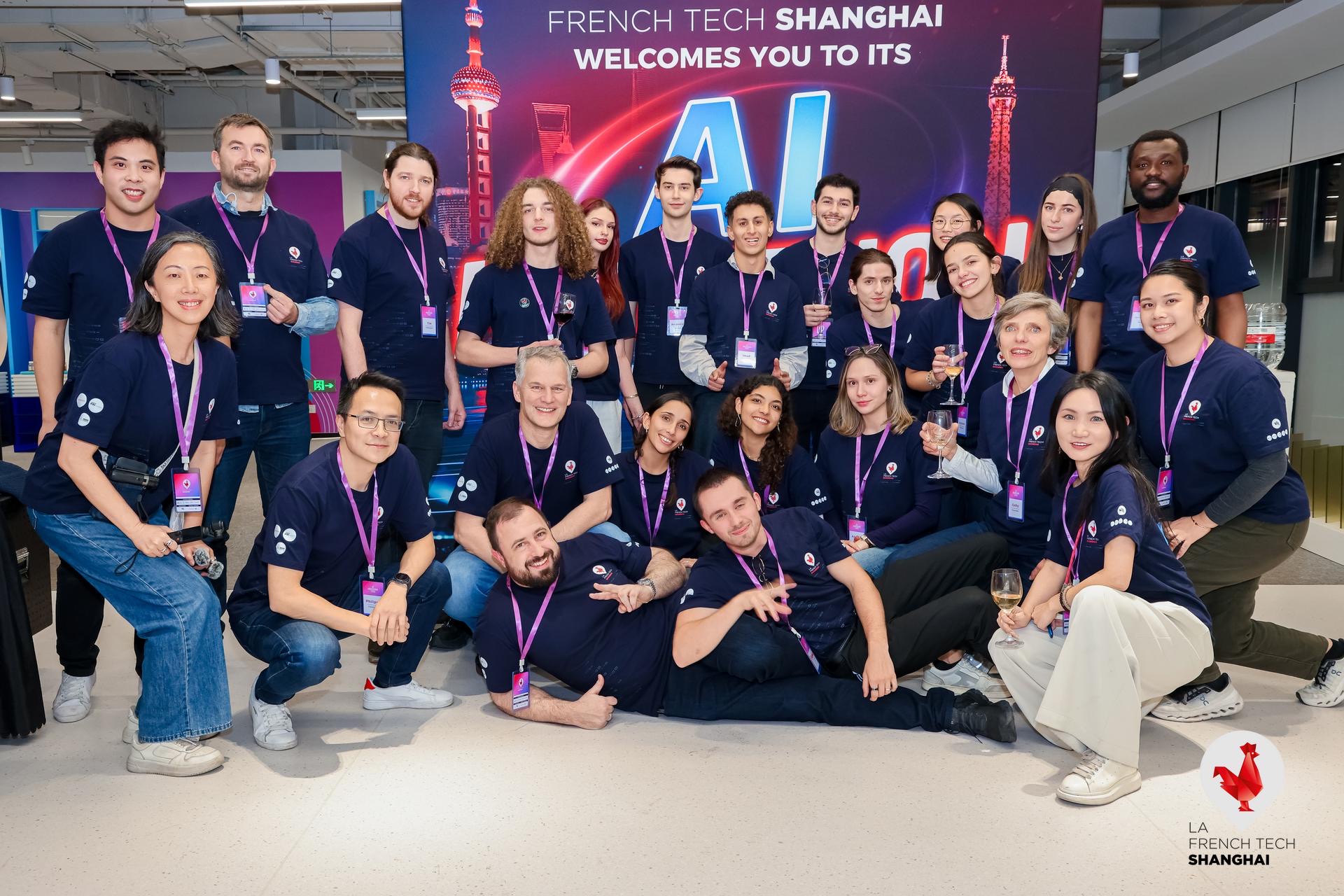
On January 16 and 17, 2026, La French Tech Shanghai hosted its first international AI Hackathon at Jing’An Beauty Nova Tech Hub. Over 120 participants from more than 21 countries came together for 24 hours to tackle real industrial challenges using artificial intelligence. Developers, engineers, designers, entrepreneurs and students worked side by side, turning complex corporate problems into concrete, testable solutions.
More than a competition, the hackathon was designed as a hands-on laboratory where AI met real constraints, real data and real users.
Five Challenges, One Shared Reality Check
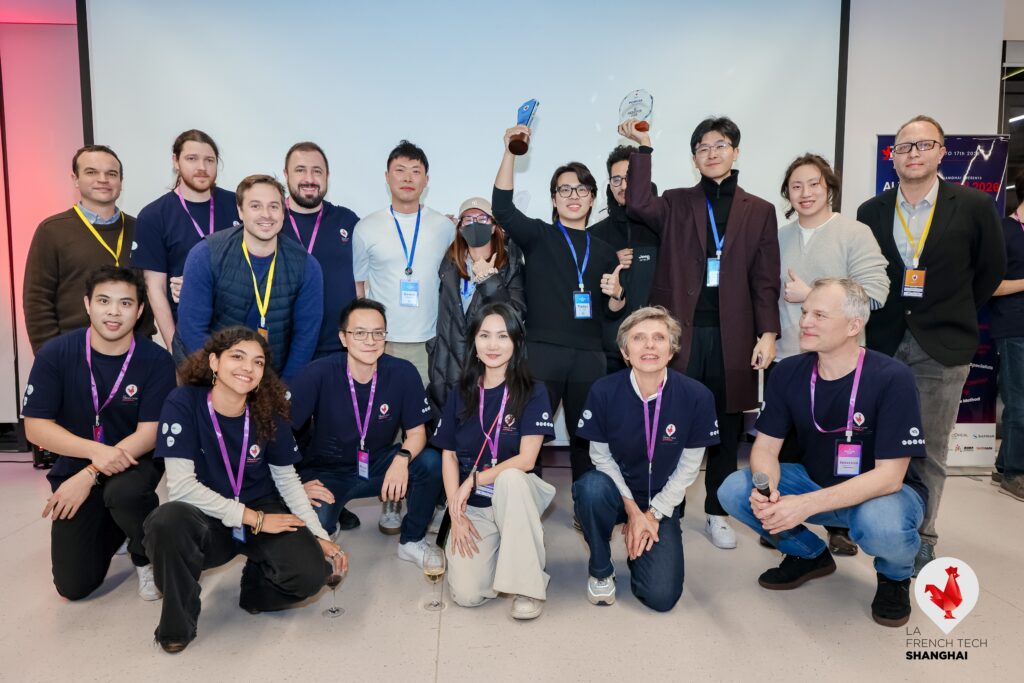
Each team worked on one of five challenges proposed by major French corporate partners. All topics were grounded in existing operational needs and came with strict technical, business and ethical constraints. The jury awarded the overall prize to the team SOMA Robotics.
Forvia and STMicroelectronics: Guardian Copilot, embedded AI inside the car cabin
This challenge focused on in-cabin perception using edge AI. Teams had to design lightweight computer vision features capable of understanding what happens inside a vehicle using only a single RGB camera and limited embedded hardware. The goal was not facial recognition or cloud processing, but real-time on-device intelligence. Use cases included detecting passengers, identifying forgotten objects, monitoring posture or attention, and flagging risky situations. Participants had to optimize models to run under tight power and memory constraints, while respecting privacy by design and demonstrating feasibility for real automotive deployment.
Danone: Smart Color Vital Tracker, AI for personalized hydration
Danone challenged participants to rethink hydration monitoring through visual AI. Teams worked on a mobile application concept capable of analyzing urine color from smartphone photos to estimate hydration levels and provide personalized recommendations. The challenge combined computer vision, scientific validation and consumer experience. Models had to be robust to lighting conditions, dilution effects and image variability, while remaining medically credible and privacy compliant. Beyond the algorithm, teams were expected to design a scalable consumer product aligned with Danone’s nutrition and health strategy.
L’Oréal: BA AI Coach, from learning to mastery in beauty retail
L’Oréal’s challenge addressed a core issue in retail training: how to help Beauty Advisors move from theoretical knowledge to real conversational mastery. Teams designed AI powered coaching tools allowing advisors to practice realistic customer dialogues in natural language. The system had to simulate different consumer profiles, analyze conversations based on brand specific evaluation criteria and provide targeted feedback. The focus was on usability, scalability and cost efficiency, with a clear ambition to support continuous, self driven upskilling on mobile devices.
Safran: AI Copilot for industrial quality teams
Safran invited participants to explore how AI could support industrial quality management through the analysis of non-conformity reports. Teams worked with anonymized datasets containing defect descriptions, machines, suppliers and corrective actions. The objective was to extract patterns, identify recurring issues, support root cause analysis and reduce processing time for quality engineers. Rather than replacing human expertise, the challenge emphasized AI as a decision support tool, capable of surfacing weak signals, summarizing insights and helping teams move from reactive to preventive quality control.
Akila: machine learning for cooling power prediction and energy optimization
The Akila challenge focused on energy efficiency in refrigeration systems. Participants built regression models to predict compressor power consumption based on time series data and environmental variables. A key constraint was the absence of future information, making sequential modeling essential. Teams had to work with multiple datasets of different temporal granularity and aim for robust, generalizable predictions. Beyond accuracy, the challenge encouraged participants to think about how energy engineers would actually use the model in practice, and how such predictions could support smarter control strategies and real energy savings in buildings.
“The United Nations of Tech”
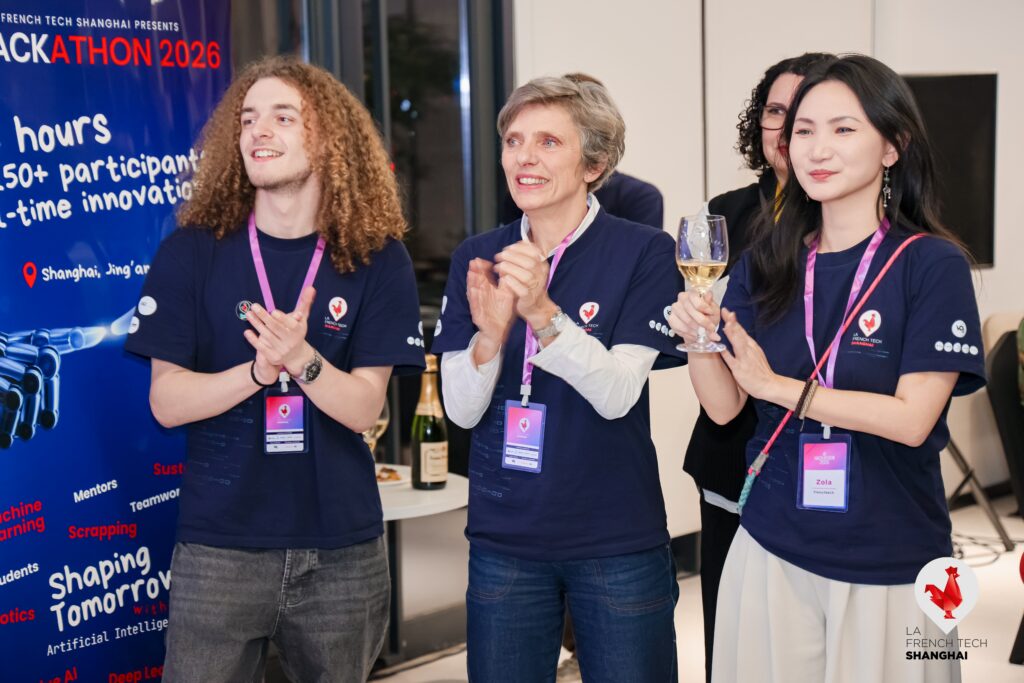
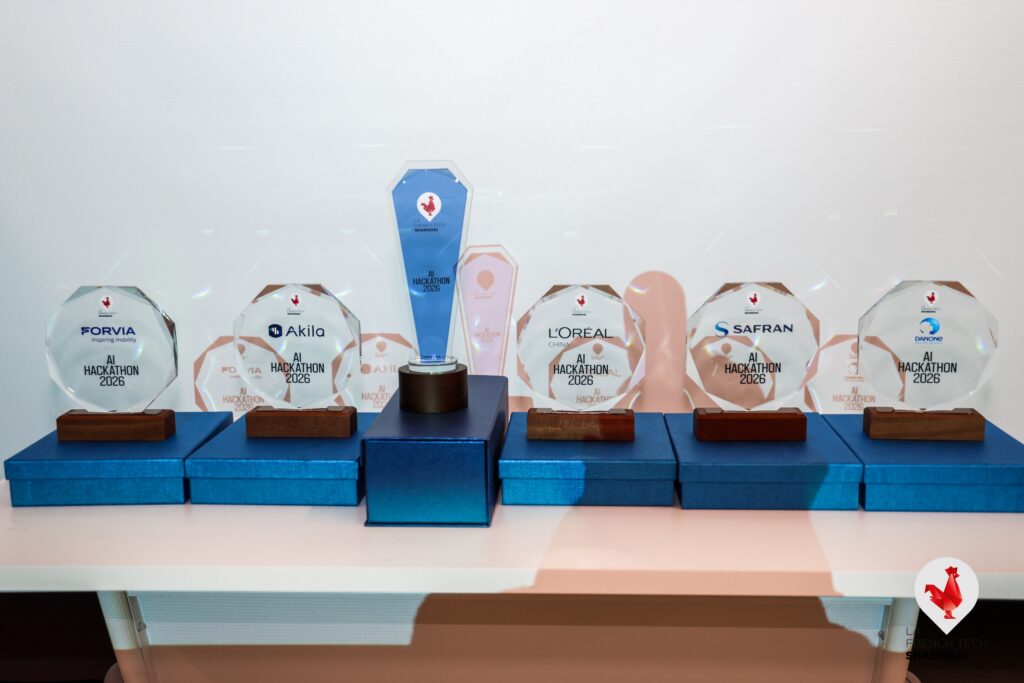
During the event, the Vice Mayor of Jing’an District described the hackathon as the “United Nations of Tech”, highlighting the exceptional diversity of profiles, nationalities, and expertise represented. With participants coming from more than 20 countries and teams composed of mixed professional and academic backgrounds, the hackathon embodied Shanghai’s international innovation ecosystem.
The semi-finals were also attended by the Consul General of France in Shanghai, Joan Valadou, who reaffirmed France’s commitment to promoting innovation that serves society and places human impact at the center of technological development.
A Collective Effort
La French Tech Shanghai warmly thanks its challenge sponsors Akila, Danone, Forvia, L’Oréal and Safran, as well as event partners Alibaba cloud, VO2 and STMicroelectronics, for their trust and active involvement.
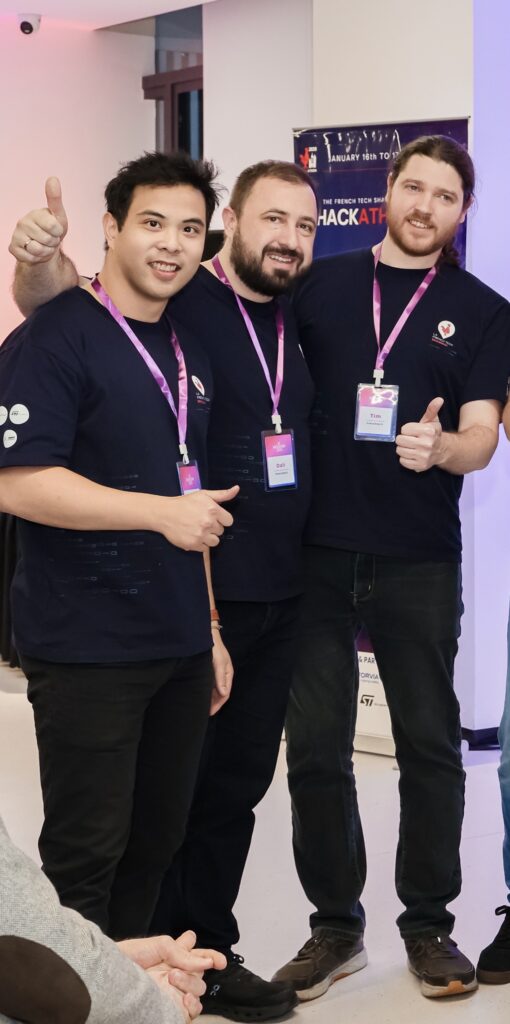
This event would not have been possible without the strong collective effort of the French Tech Shanghai community. The hackathon was organized by the French Tech Shanghai team, led by Sébastien Codeville, President of La French Tech Shanghai, alongside Dalibor Nikolovski, Marie Catherine Boinay, Timothé Mermet Buffet, Boris Chau, Zola Hong, Philippe Duong, and Emma Recoules.
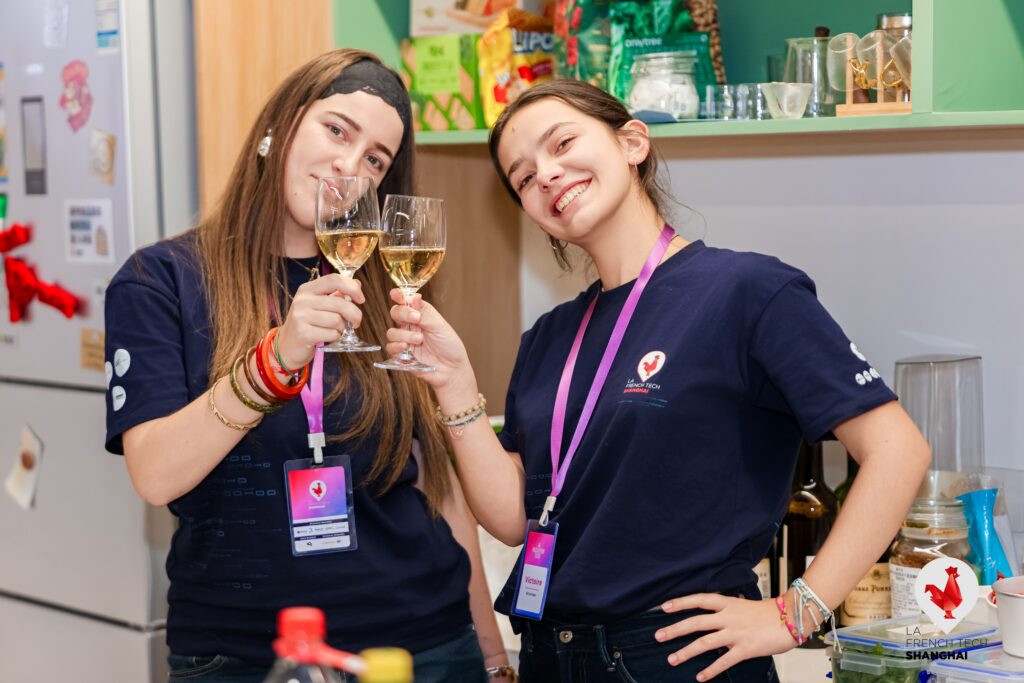
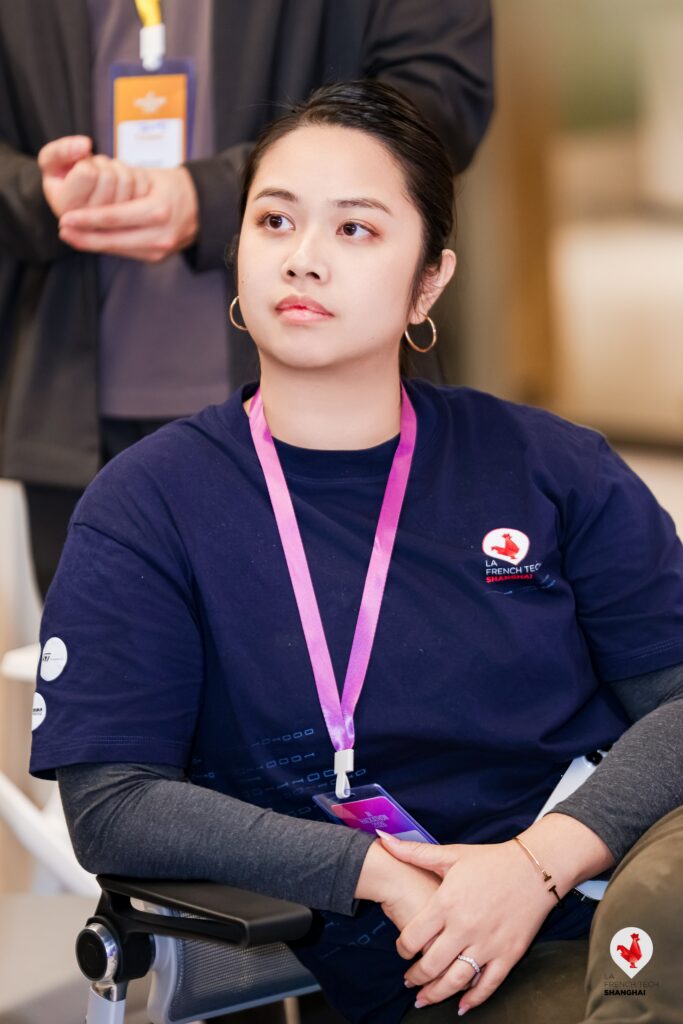
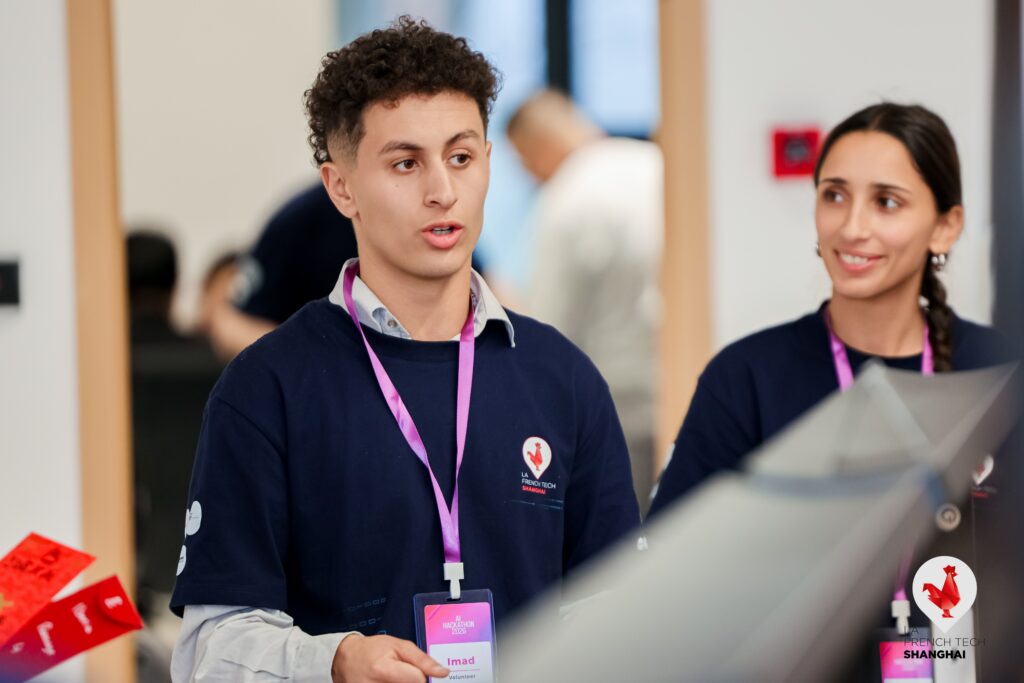
The overall organization of the event was coordinated by Philippe Duong, who ensured smooth execution from preparation to final pitches. The success of the hackathon also relied on a dedicated volunteer team whose collective commitment, responsiveness, and teamwork were essential throughout the project. Jointly coordinated by Emma Recoules and Maxime Elambert over the three months leading up to the event, the student team played a central role in preparing and organizing the hackathon and ensured a smooth experience by welcoming participants, supporting project teams, and managing on-site logistics throughout the 24 hours of the event. La French Tech Shanghai warmly thanks Imad Amer Ali, Augustin Curinier, Anaëlle Cucheval Liénard, Mirka Abbes, Emma Rocher, Erwann Bertomeu, Victoire Leonetti, and Chloé Tourniaire for their energy and engagement.
And also a Big thank to all the volunteers who we fully committed to this event.
What Comes Next
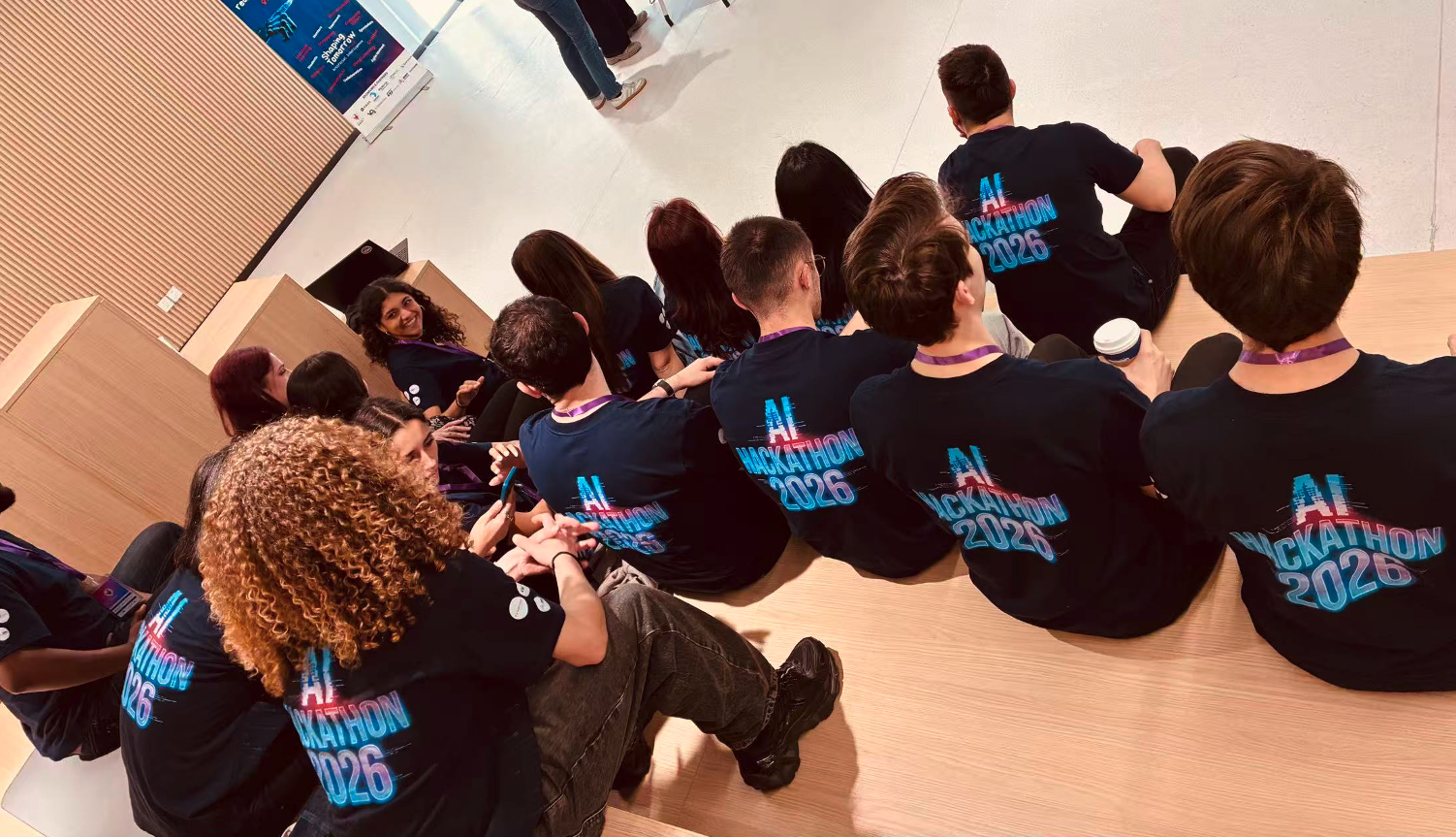
Beyond the prototypes developed during the hackathon, this first edition highlighted the value of hands-on collaboration between corporates, students, and professionals within Shanghai’s international tech ecosystem. Several challenges opened concrete discussions around follow-up exchanges, potential pilots, and continued collaboration between participants and corporate partners.
Building on this momentum, La French Tech Shanghai aims to further strengthen its role as a platform connecting global talent with real industrial needs, and to continue fostering initiatives where artificial intelligence is not only explored, but tested, challenged, and shaped through practical use cases.